

From one shop to eighty: How Pizzerias Fix and Scale Delivery with Shipday


Pizza delivery breaks in predictable ways. A single-location shop taking orders by hand hits the same wall a 30-location brand hits, just at a different volume. The driver you scheduled calls in sick on the busiest night of the year. A customer's order shows up cold and you find out from a one-star review three days later. A catering order goes out in a sedan built for two pizzas.
Five pizzerias running on Shipday, spanning one location to more than eighty, ran into these problems and solved them the same way. Here is what broke, and what they did about it.
Common delivery problems, and how operators solve them
Talk to enough pizzeria owners and the same short list of complaints comes up, no matter how many stores they run.
The first is drivers. Finding them, keeping them, and paying them to sit idle between runs. The fix most operators land on is to stop carrying a full in-house roster and pull from on-demand driver networks instead, so labor scales with orders rather than sitting fixed against the schedule.
The second is what happens when an order goes sideways. A wrong address, a missing item, a driver who never showed. Handling those through a generic support line pulls a manager off the floor mid-rush. Operators solve it by routing problems through a single point of contact that clears refunds and driver issues in a text, not a 20-minute phone call.
The third is margin. Third-party marketplaces take 15 to 30% of the ticket, which is most of the profit on a pizza. The workaround is to keep direct orders in-house and commission-free, and only hand off to paid drivers when volume demands it.
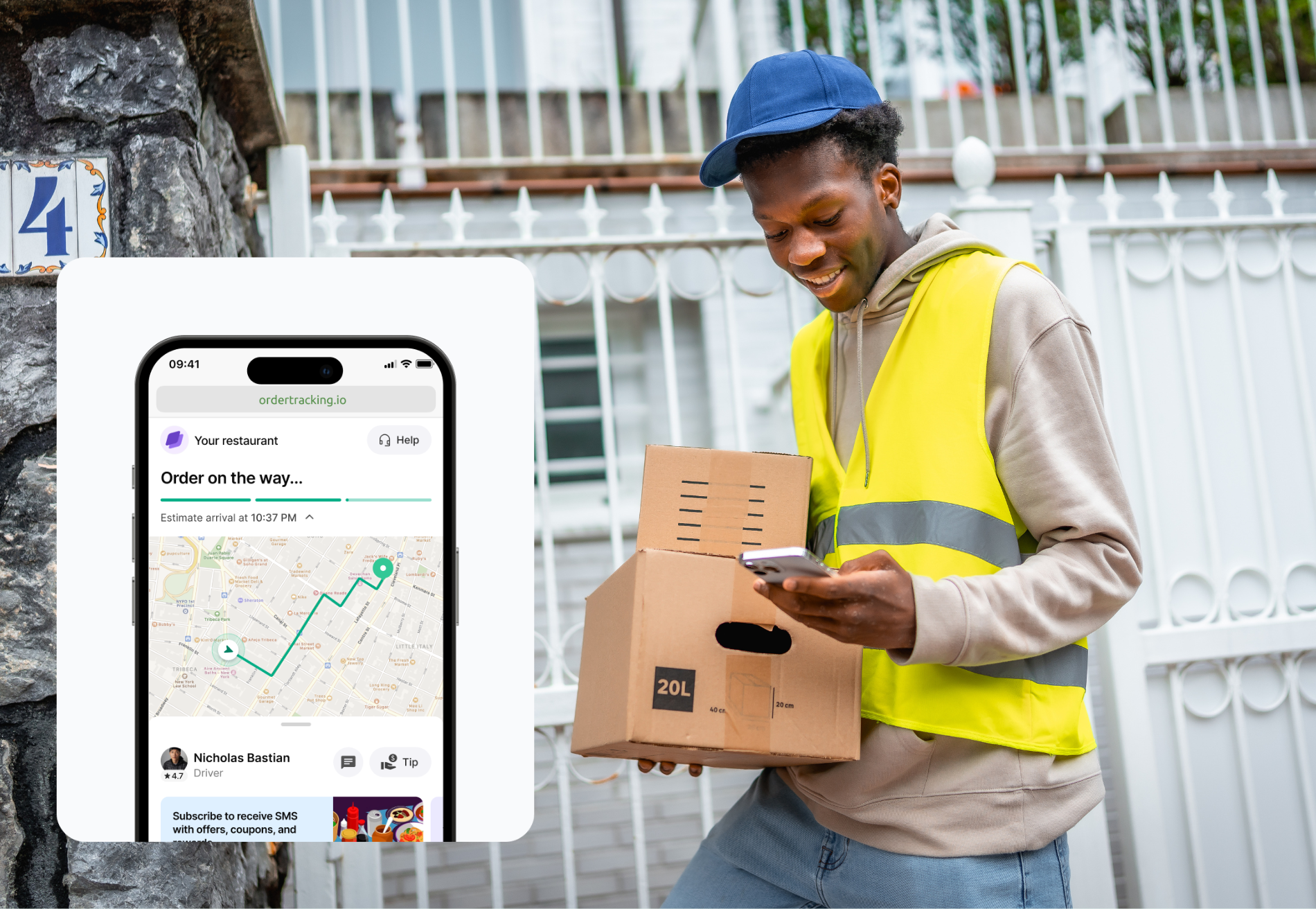
The fourth is silence after the handoff. Once the food leaves, the owner has no idea whether it arrived hot, on time, or at all, until a bad review lands. The answer is real-time tracking, proof of delivery, and a feedback loop that surfaces problems while there is still time to make the customer whole.
The fifth is the ceiling on growth. Adding delivery capacity used to mean hiring, training, and buying or leasing cars, all before a single extra order went out. On-demand driver access removes that upfront cost, so a busy Friday or a new delivery zone does not require a new hire.
None of these are new problems. What changed is that the tools to solve them no longer belong only to the national chains.
The in-house driver model is getting harder to run
For years the standard pizzeria setup was simple: hire your own drivers, put them on the schedule, send them out. That model started cracking around 2020, when DoorDash and Uber began pulling from the same labor pool pizzerias relied on.
Romeo's Pizza felt it across its 13 Central Ohio locations. Jeff Schoolcraft, the group's operating partner, spent two decades at Papa John's before this, so he knew the old playbook cold. The problem was not the playbook. It was that drivers got harder to find every year, demand spiked on nights he had no way to staff for, and drivers on the clock from open to close spent most of that time waiting instead of driving.
Romeo's moved to an on-demand model through Shipday, pulling from third-party driver networks instead of maintaining a full in-house roster. One store went from 13 or 14 people per shift down to 7 or 8. Across the whole operation, the result showed up on the P&L.
"We saw labor percent come down 4% for the entire year," Schoolcraft said.
His advice to other operators is blunt: "For Pizzerias, you have to simplify these operations as much as you possibly can in order for it to be profitable."
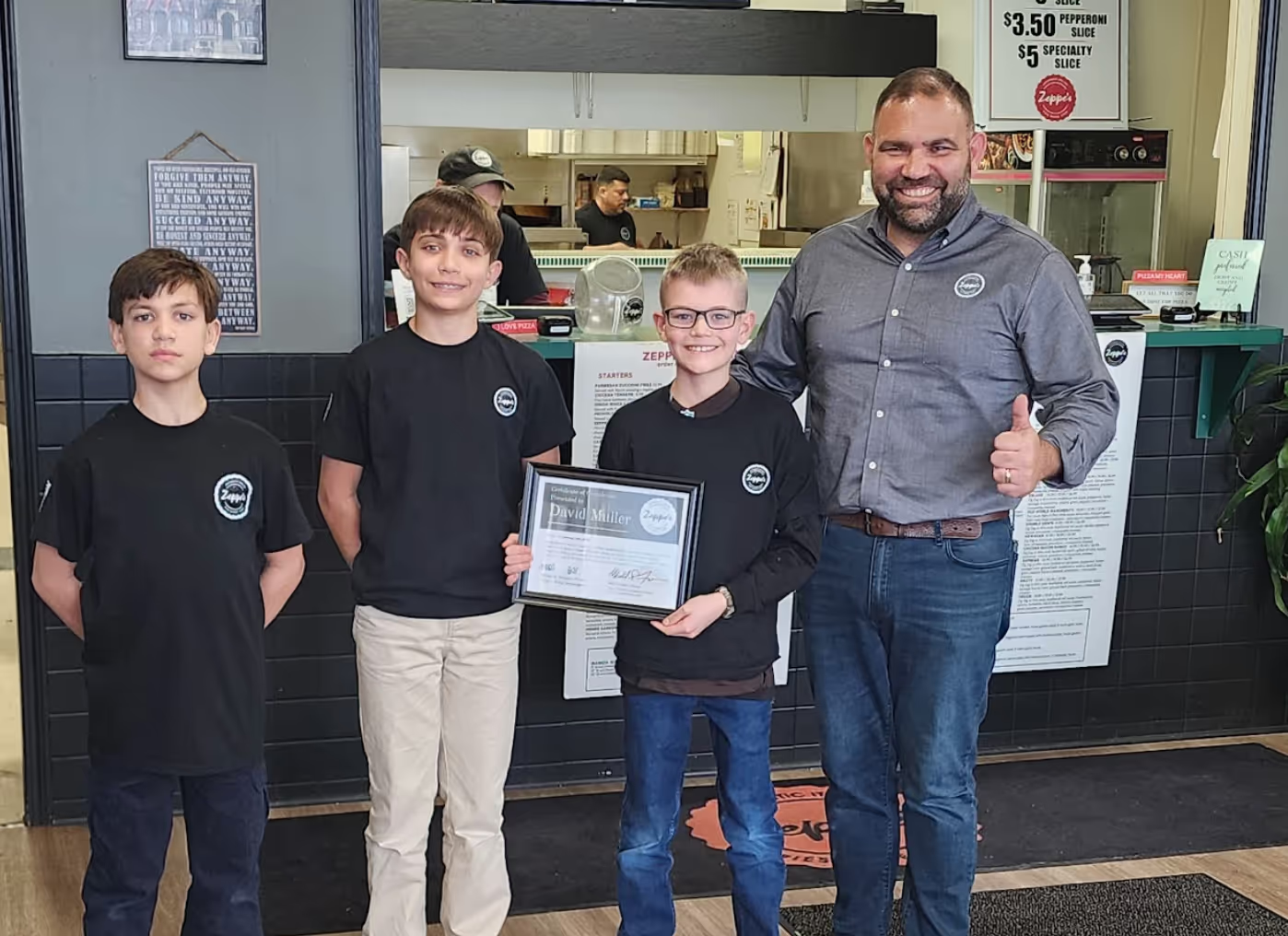
Zeppe's Pizzeria near Cleveland made the same call for a different reason. Owners Mike and Sarah Ficzner were spending too much time hiring and training drivers who did not stay. Moving delivery to third-party drivers through Shipday took that recurring cost off the table and freed them to move more orders.
Support and refunds shouldn't land on your manager mid-rush
When a delivery goes wrong on a third-party network, someone has to fix it. Usually that someone is your shift lead, on hold with a support line, during the exact window when the store is slammed.
Spencer Glenn runs the digital side of Pizza My Heart's 30 locations. He put the pattern plainly: "The problems never happen when it's slow. They always happen when it's busy."
Before Shipday, a botched delivery meant a supervisor stepping off the line to call support and burning anywhere from 5 to 20 minutes on hold, right in the middle of the Friday dinner rush. Now that same problem is a short text exchange handled in about 90 seconds. Address change, driver issue, refund, done. At a high-volume store that adds up to 30 to 90 minutes back every week.
Romeo's runs it the same way. Instead of working through a support queue, the team texts Shipday directly to refund an order or flag a driver, and it happens in seconds.
You can't fix what you can't see
Once the pizza leaves the store, most operators lose the thread. The customer's experience, good or bad, happens somewhere the brand never sees. That blind spot is where reputations quietly erode.
Pizza My Heart got a clear look at this once Shipday started routing customer feedback back to the store. Glenn was surprised by what surfaced. "I was amazed at the amount of things that go wrong. I couldn't have a bird's eye view of what was going on brand-wide in terms of problems with deliveries."
One example: a run of complaints about missing utensils, invisible until the feedback was pulled together across all 30 stores. Once they could see it, they fixed it, and those complaints dropped to a fraction of what they were. Weekly Google reviews climbed to two or three times the previous rate.
Romeo's had a similar reckoning, and Jeff is honest about it. "The issues were us. We had operational issues that these reviews were identifying that we just needed to fix. Once we fixed those, everything worked great." The Google rating across stores moved from 4.1 to 4.4 in four months.
Zeppe's uses a two-tier review system that catches unhappy customers before they go public and routes happy ones to Google. It shows in the numbers. "We were at 4.2 stars on Google reviews for a while. Now, with Shipday, we are on our way to 4.7 which is crazy in the pizza world," Ficzner said.
Three brands, three sizes, same lesson. Delivery feedback is an operations signal, and seeing it early is the whole game.
Surge nights and big orders need their own lane
Two situations wreck a normal delivery setup: a sudden rush and an oversized order. A snowstorm doubles your tickets in an hour. A single catering order needs a vehicle that can actually carry it.
Romeo's answer to the surge problem is capacity it does not have to schedule. On a spike night, the team pulls from a driver pool that scales up with demand instead of turning orders away or making customers wait. Expanding the delivery radius past 10 miles also opened up orders the old in-house fleet could never have reached.
Pizza My Heart handles the big-order problem with routing rules. Large orders get flagged and matched to the right driver and vehicle from day one, instead of a catering order landing in a car meant for a two-pizza run.
Tracking and proof of delivery build trust at scale
The bigger you get, the more you need receipts. Real-time tracking, proof of delivery, and driver performance data are how large operators keep quality consistent across locations they cannot personally watch.
Pizza Guys, with more than 80 franchises across four states, ran on a bare-bones setup: a "driver on the way" notification and not much else. No live tracking, no proof of delivery, no data to tell a fast driver from a slow one. Drivers could even turn off location services and no one would know.
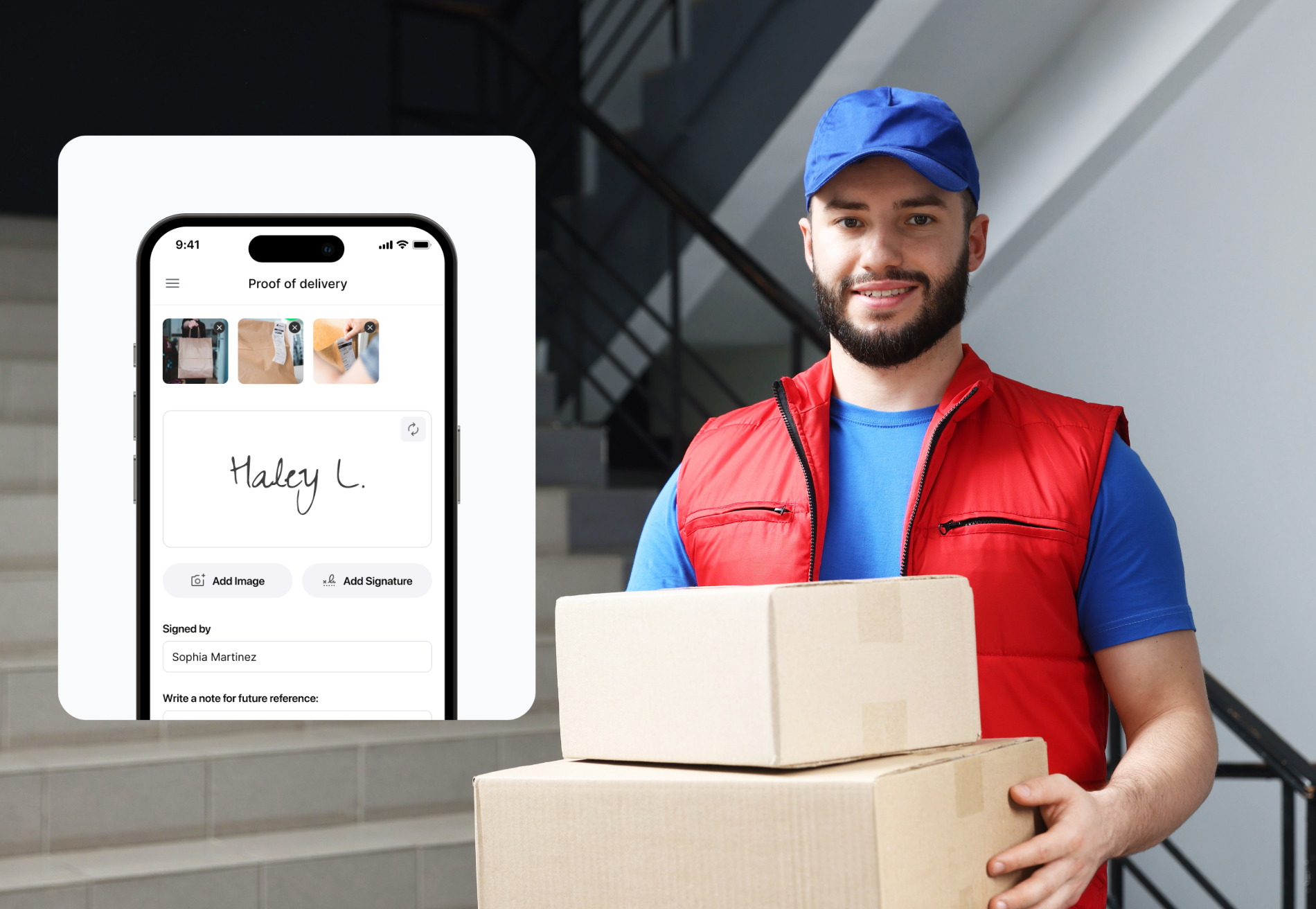
Shipday gave them real-time tracking, proof-of-delivery photos, and performance data they could use to coach specific drivers. Orders sync automatically from the POS, so nothing gets keyed in twice. At one corporate store, on-time delivery went from 90 to 92% up past 98% within weeks.
"We have seen a clear difference in performance at the stores using Shipday. The goal is to make this a standard across all our locations," said Jesus, part of the Pizza Guys team running the rollout across 25 stores.
Flexibility and margin for the independent shop
Not every pizzeria needs an 80-location toolkit. Some just need to stop paying commissions and get their nights back.
Mr. G's Pizza in Diamond Bar, California ran delivery entirely by hand until 2022. Orders came in by phone, got written down, and went out with no GPS, no tracking, and no record of anything. The owner could not take a night off, let alone a vacation.
Shipday gave the shop one screen to run everything from. When an order comes in, the owner decides in the moment whether to deliver it in-house or hand it to a third-party driver. "I can do it real-time. If it gets really busy here, I can outsource it. If it's not, I do it myself," he said.
Direct phone orders stay commission-free, which protects the margin a small shop actually lives on. And the customer-facing experience finally matches the big chains. As the owner put it, a mom-and-pop shop can now track an order start to finish and "look sophisticated like a corporate pizza area."
It scales with you
The same platform carried Mr. G's off pen and paper and holds up across Pizza Guys' 80-plus franchises. That is the throughline in all five stories. Labor cost, refund friction, invisible feedback, surge capacity, delivery tracking: the fix is one operational layer, sized to the shop.



.avif)
Table of contents
Related articles
Ready to get started?
Play around with it first, add your team, pay later.


%201.svg)

.svg)