

How Laundry and Dry Cleaning Businesses Can Streamline Pickup and Delivery


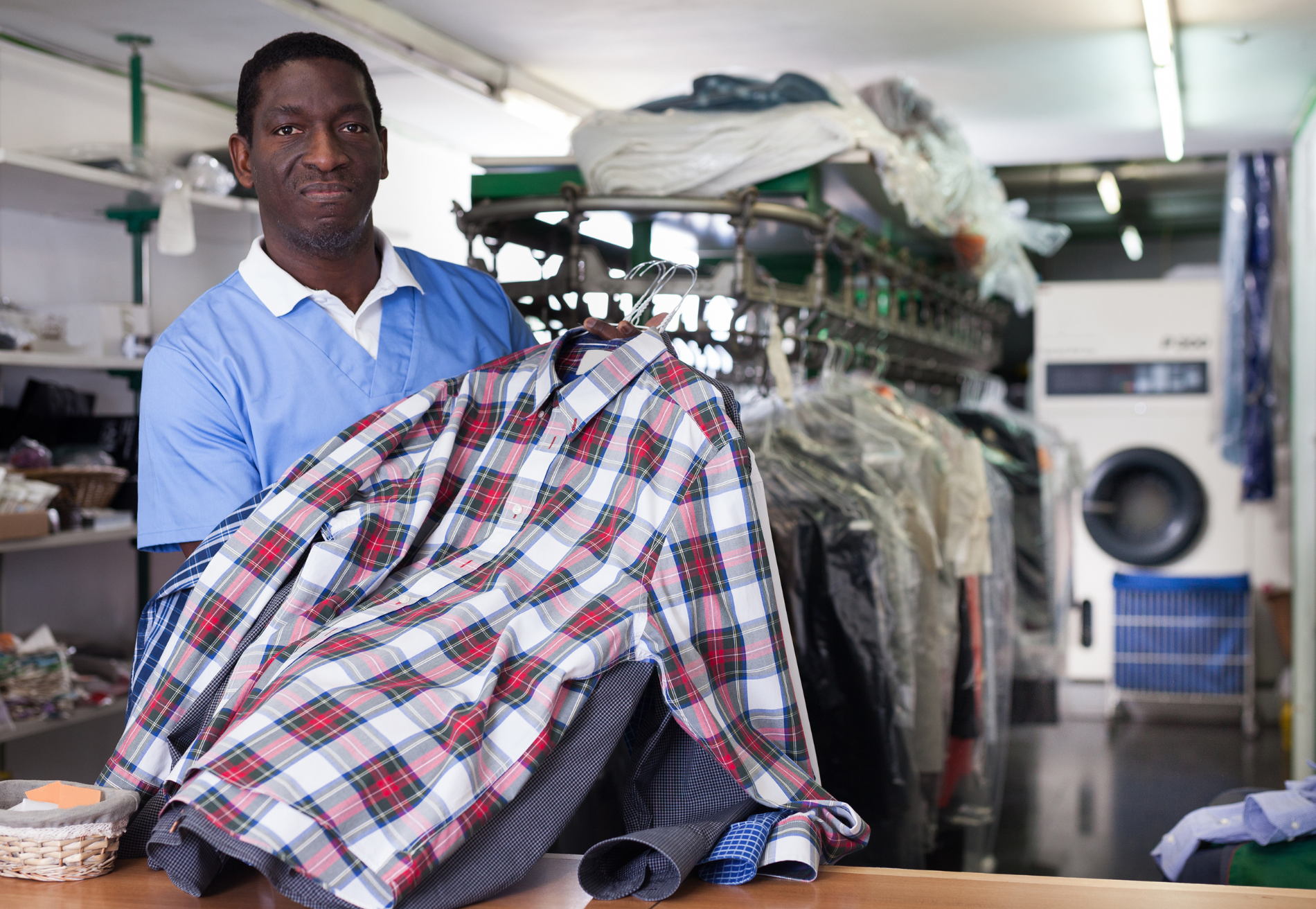
A missing suit jacket. A delayed comforter return. A customer who calls three times to find out where their order is ahead of a big event. For dry cleaners and laundry operators offering pickup and delivery, the nightmare isn't losing business — it's losing a garment somewhere between the two legs of a two-way route.
The operational challenge is the logistics on either side. Most delivery software is built for one-way delivery: an order goes out, it arrives, it's done. Laundry and dry cleaning requires something different — a pickup leg, a processing window, and a return delivery leg, with each garment tracked continuously across all three phases. When any one of those phases loses visibility, you get the calls. You get the lost orders. You get the five-star customer who leaves a one-star review because their wedding dress didn't come back when it was supposed to.
The US laundry facilities and dry cleaning services market was valued at $9.8 billion in 2024 and is projected to grow at a 6.6% CAGR through 2030, according to Grand View Research — and Cents, a laundry business management platform with data from 1 in 12 US laundromats, sizes the broader US laundry industry at $60 billion in their 2025 Into the Fold report. More telling: pickup and delivery is projected to account for 52.7% of US laundry market operations by mode in 2025, according to Future Market Insights— meaning delivery isn't a differentiator for this vertical anymore, it's the baseline expectation. Cents' own transaction data reinforces why it matters financially: pickup and delivery orders average $79.81, compared to $44.19 for drop-off orders — an 80% premium that reflects how much consumers value the full-service convenience of having their laundry collected and returned.
The good news: two-way logistics is actually more manageable than one-way delivery when you treat each garment order as a single lifecycle tracked from pickup through return — one system, two legs. This guide walks through how to structure route batching, order tagging, driver app workflow, and customer notifications as a connected system — and where software fits in.
Why laundry delivery is different: the two-leg problem
Standard delivery software is built for one leg. A restaurant sends food out; the driver delivers it; the transaction is complete. There's no return trip, no processing window, no second driver who needs to know what the first driver picked up.
Laundry and dry cleaning has a fundamentally different flow: pickup from the customer → brought to the facility → processed → return delivery. Two legs, with a processing window in between — and an order that falls through the gap between any two of those phases is your worst case scenario.
The most common failure point isn't driving. It's the handoff between the pickup driver and facility, where order status becomes blurry and garments get separated from their records. A driver drops off 12 orders at the end of a shift. The team processes them in a different order. By the time return delivery is scheduled, two orders have no clear record of what was in them or who they belong to.
That failure is preventable — but only if you treat a laundry order as a lifecycle, not a transaction. The status flow should look like this: pickup confirmed → in processing → ready for return → out for delivery → returned.
Choose software that tracks that lifecycle end-to-end. One-way dispatch tools require you to manually bridge the gap between legs. The right platform closes that gap by design.
How do I schedule recurring laundry pickups for subscription customers?
Subscription customers are your highest-lifetime-value segment — and they require scheduling infrastructure that on-demand dispatch can't support.
A subscription customer has a standing weekly pickup. They shouldn't have to place a new order every week, and you shouldn't have to manually re-enter it. The pickup should populate automatically in your dispatch queue on the right day, with the right address, driver assignment, and customer preferences already loaded. When it doesn't — when recurring customers are managed through a spreadsheet, a calendar reminder, or driver memory — you're one callout away from missing your most loyal customer's pickup.
Shipday supports recurring order scheduling: customers set their preferred pickup window once, and it repeats on their cadence. Automated reminders before each scheduled pickup reduce no-shows and give drivers a predictable route structure — recurring customers in the same neighborhood can be batched together, which reduces total drive time and makes the subscription model more profitable per route.
How do I track laundry orders between pickup and return delivery?
Every garment order needs a unique identifier that follows it from pickup through processing to return — visible to dispatch, the facility, and the driver at every stage. This is the most important operational step in a two-leg laundry operation, and the one most commonly skipped or handled inconsistently.
Here's what breaks without it: the pickup driver collects three bags from a customer. At the facility, one bag gets separated from the other two during intake. By the time the return delivery is scheduled, the facility knows they have three bags but dispatch has a record for one order. The driver shows up with two bags. The customer calls.
Barcode scanning at pickup creates a timestamped intake record that ties the physical order to the digital record from the moment it leaves the customer's hands. Shipday's Elite plan includes barcode scanning as a native driver app feature — drivers scan at pickup, the order is logged, and the record follows the garment through processing and back to the return driver.
Order tagging at pickup — customer name, items, special care instructions — must be accessible to the facility before the driver returns. The handoff gap between pickup driver and facility intake is where records get lost. Closing that gap means the facility receives the intake record before the physical order arrives, so they can match garments to records on receipt rather than reconstructing them from driver notes after the fact.
Build the tagging step into the driver app workflow, not driver memory. A driver who tags every order consistently is far more valuable than a fast driver who tags inconsistently.
How do I plan routes that include both pickups and drop-offs?
Efficient two-way routing isn't just about minimizing drive time — it's about treating pickup stops and return delivery stops as parts of the same route, not separate runs.
A driver picking up five new orders in one neighborhood while dropping off five processed orders from a previous run in the same area is running a fully optimized two-leg route. Both legs are covered in a single pass. The driver doesn't backtrack. Customers in that neighborhood get a consistent service window, which makes turnaround time commitments easier to keep.
Most manually planned routes don't achieve this because dispatchers plan pickups and return deliveries separately — often because they're using separate tools or separate spreadsheet tabs for each leg. The result is drivers crisscrossing the same neighborhoods twice, once for pickups and once for returns.
Shipday's route optimization builds multi-stop routes that account for both pickup and delivery stops, minimizing backtracking. Neighborhood-based batching also simplifies your turnaround time commitments. Customers in a given zone get a predictable service schedule, which reduces inbound status calls and makes driver scheduling more predictable.
Customer notifications and turnaround time windows
The most common customer service call in delivery is "where's my stuff?" It doesn't have to be. Automated notifications eliminate most of that call volume — and clear turnaround time windows prevent it from happening in the first place.
The notification sequence for a two-leg operation has three checkpoints:
- Pickup confirmed (the driver collected your order)
- Processing complete (your items are ready for return),
- Out for delivery (your driver is on the way).
Each of those notifications gives the customer something concrete — confirmation that their order is moving, and a window to plan around.
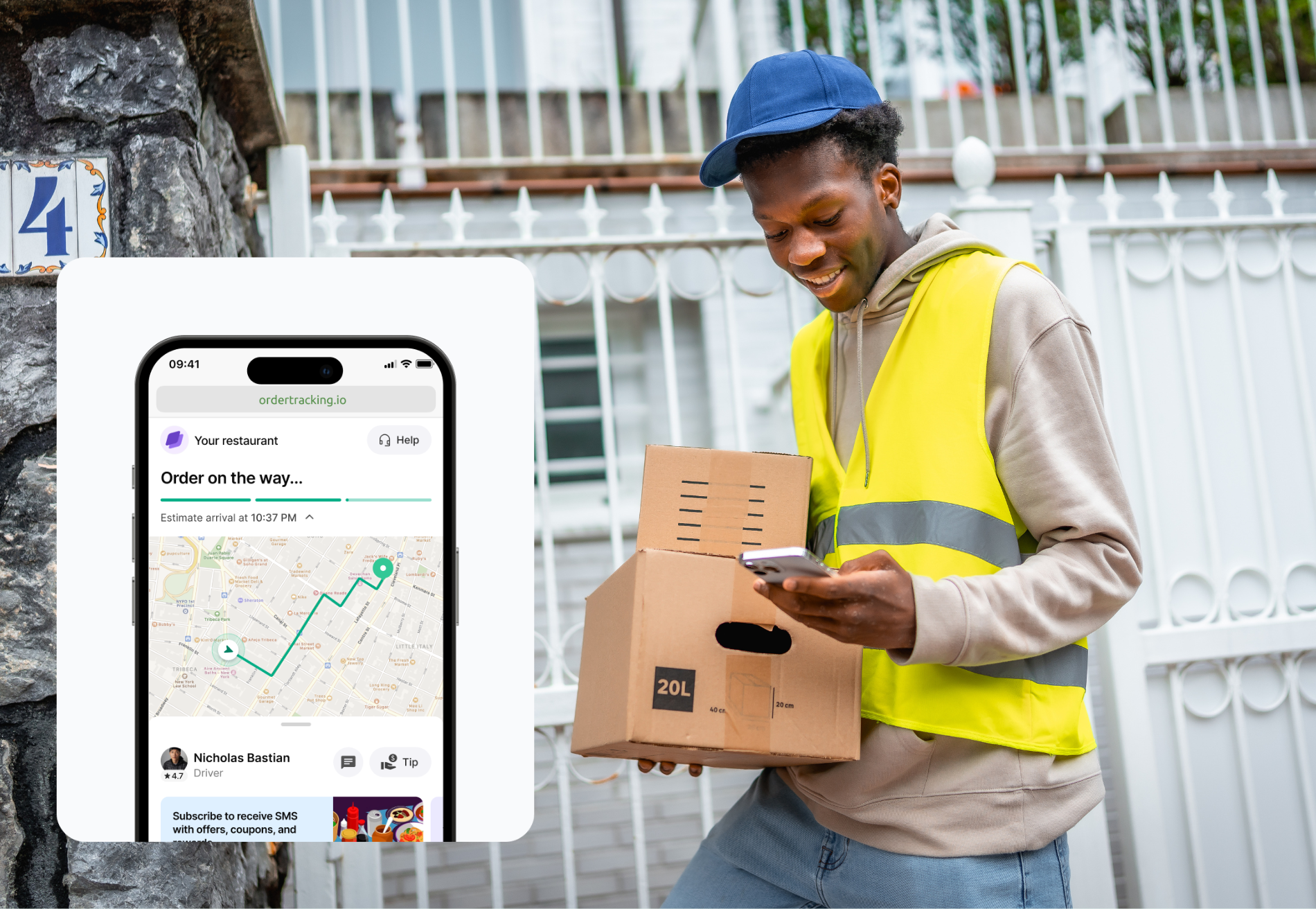
Shipday's notification system sends automated updates at configurable checkpoints via SMS or email. The ready-for-return notification is the most valuable — it's the one that tells customers their order is coming back, and it's the one that eliminates the "when will my stuff be ready?" call.
Managing multiple drivers across shifts
Multi-shift operations and multiple driver management introduce a coordination challenge that compounds quickly: five drivers on five phones with no centralized visibility is a shift handoff failure waiting to happen.
The specific failure mode: the morning shift ends, the afternoon drivers come in, and nobody has a clear picture of which orders are in progress, which are pending pickup, and which are out for return delivery. The incoming driver calls the outgoing one. Statuses get confused. A customer's order that was supposed to go out in the afternoon window was already picked up that morning and is sitting at the facility — but the afternoon driver doesn't know that and marks it as missed.
Shipday's dispatch dashboard shows all active drivers, routes, and order statuses from a single screen in real time. Shift handoffs are cleaner when the incoming driver can see exactly what's in progress, what's pending, and what's been completed — without a verbal briefing that's only as accurate as the outgoing driver's memory.
Real-time GPS also lets dispatchers identify a driver running behind and reassign a stop before the customer's window closes. At scale, that proactive reassignment capability is the difference between a smooth operation and a day full of service recovery calls.
Key takeaways
Two-way pickup-and-return logistics is more manageable than it feels — when you treat it as a single order lifecycle with tracking, automation, and route optimization across both legs.
The pieces that matter most: tagging at pickup so every garment has a record that follows it through processing; recurring scheduling so your best customers never get missed; neighborhood-based route batching so drivers cover both legs efficiently; and notification triggers so customers know what's happening without having to call and ask.
The best dry cleaners in the delivery business aren't the fastest. They're the ones customers trust to bring their garments back in perfect condition, on time, every time. That trust is built one order lifecycle at a time.
Ready to manage your full pickup-to-return workflow in one place? Start free with Shipday — no credit card required.
FAQ
What software do laundry and dry cleaning businesses use for pickup and delivery?
Laundry and dry cleaning operators need software that handles two-leg logistics — pickup from the customer, processing at the facility, and return delivery — as a single tracked order lifecycle. Platforms like Shipday support recurring pickup scheduling, barcode scanning for order tagging at pickup, neighborhood-batched route optimization for both legs, and automated customer notifications at each handoff. Cleantie, a laundry POS platform, lists Shipday as a named integration, making it a natural fit for operators already on that system.
How do I schedule recurring pickups for subscription laundry customers?
Use delivery software that supports recurring order scheduling — where a customer's pickup populates automatically in the dispatch queue each week without manual re-entry. Shipday supports recurring scheduling with automated reminders before each scheduled pickup. Recurring customers can also be batched by neighborhood, reducing total drive time and making the subscription model more profitable per route.
How can I make sure garment orders don't get lost between pickup and return delivery?
Barcode scanning at pickup creates a timestamped intake record that ties the physical order to its digital record from the moment it leaves the customer. Shipday's Elite plan includes barcode scanning as a native driver app feature. Order tags capturing customer name, items, and care instructions must be accessible to the facility before the driver returns — closing the handoff gap that most commonly leads to lost or mismatched orders.
How do I notify customers when their dry cleaning is ready for return?
Set up automated notifications at three checkpoints: pickup confirmed, processing complete, and out for return delivery. The processing-complete notification is the most important — it tells customers their order is ready and gives them a delivery window to plan around, eliminating most inbound status calls. Shipday's notification system sends automated SMS or email updates at configurable checkpoints.
How do I manage multiple drivers across shifts for laundry pickup and delivery?
Use a centralized dispatch dashboard that shows all active drivers, routes, and order statuses in real time — so shift handoffs don't depend on verbal briefings between drivers. Shipday's dashboard gives incoming drivers full visibility into what's in progress, pending, and completed across both legs. Real-time GPS lets dispatchers reassign stops proactively when a driver is running behind.


.avif)
Table of contents
Related articles
Ready to get started?
Play around with it first, add your team, pay later.


%201.svg)

.svg)