


Liquor store owners who want to launch delivery usually assume the hard part is logistics. Coordinating drivers, building routes, getting orders out the door on time. Those things matter , but they're not what keeps most store owners up at night.
The hardest part is compliance—but it’s more manageable than it looks.
The demand is there. According to DoorDash's 2023 Alcohol Online Ordering Trends report, 1 in 10 US consumers ordered alcohol delivery in the past six months — and that customer base is still growing. IWSR, the leading research firm for beverage alcohol data, projects that online alcohol sales will grow at roughly 7x the rate of the overall US beverage alcohol market through 2027. The consumers driving that growth aren't going back to in-store-only habits — and the independent liquor stores best positioned to capture them are the ones that built a real delivery operation rather than relying entirely on third-party platforms.
Most US states allow alcohol delivery from retail locations, but the requirements vary significantly — and the stores that get into trouble are the ones that treated it like food delivery and figured out the rules later. The ones that build a compliant operation first can avoid legal exposure and build something customers actually trust.
For a closer look at managing your day-to-day delivery operations once you're live, see how to manage delivery operations in your liquor store.
Step 1: Check your state and local alcohol delivery license requirements
Before anything else — before you hire a driver, before you build a website ordering flow, before you tell a single customer — you must confirm what your state requires.
Alcohol delivery is legal in most US states, but a retail liquor license alone doesn't always cover it. Many states require a separate delivery permit on top of your existing license. Requirements differ by what you're delivering: 47 states allow wine delivery; only 11 permit direct spirits shipping. Some states restrict depending on ABV; others impose county-by-county rules that override state law.
Permit costs typically run $200–$5,000 depending on the state, and processing times range from 30 to 180 days. That timeline can push your launch back by months if you don't account for it.
What to do: Start with your state's alcohol beverage control agency — most publish their delivery permit requirements online, but the website alone won't always answer your specific questions. Call them directly and ask whether your current retail license covers delivery or whether a separate permit is required, what the application process and timeline look like, and whether there are product-specific or county-level restrictions you need to account for.
Step 2: Define your delivery radius and minimum order value
Once your licensing is figured out, the next decision is where you'll deliver and what the minimum is on each order.
A delivery radius that's too wide creates unprofitable long-haul trips. Too small, and you're cutting out customers who are two miles away and would order regularly.
The right starting point is in your existing customer data. Look at your address records — credit card data, loyalty program signups, whatever you have, and draw your zone around where your actual customers already are. If you don't have clean address data, your POS transaction history by zip code can be used. Pick the two or three zip codes that account for the bulk of your in-store revenue and start there.
On minimum order value: $25–$40 is a common floor for liquor store delivery. The math is simple — delivery requires driver time, and driver time has a cost. A minimum order protects your margin without making you look unreasonable to customers who were going to spend more anyway. Most customers placing a delivery order for alcohol are buying for an occasion, not grabbing a single bottle — you're unlikely to lose much volume by setting a reasonable floor.
Start small and plan to expand. A small zone with a realistic minimum order will be more profitable from day one. You can always grow the zone once you know the operation works .
Step 3: Hire and train drivers on ID verification protocol
Your drivers are your compliance front line. A missed ID check — just one — can cost you your license.
This is the step that separates stores that launch delivery successfully from stores that have a compliance incident in their first month. The protocol isn't complicated, but it has to be documented, trained, and non-negotiable.
Driver checklist for every alcohol delivery:
- Verify government-issued photo ID at the door — no exceptions
- Confirm the customer is present, not a third party accepting the order
- Confirm the customer is not visibly intoxicated
- Confirm the photo matches the person in front of them
A failed delivery to an underage recipient, no ID presented, visibly intoxicated customer — means the order doesn't get delivered. The items go back to the store. Document every failed delivery in writing: what happened, when, the order number, and the driver's name. That documentation matters if you ever face a compliance audit.
The edge cases are where drivers need the most preparation. What does a driver do if the customer sends a spouse to the door? What if the customer presents an expired ID? What if someone appears intoxicated but insists they're fine? These situations happen. Work through the scenarios in training. Build a short written reference that drivers can keep in the car for the first few weeks.
One more thing: put your ID verification protocol in writing before your first delivery goes out. A documented policy protects you legally and makes driver onboarding faster as your operation grows. It doesn't have to be long — one page that covers the checklist, the failed delivery procedure, and who to call if something goes wrong is enough to start. Train for the edge case—not the standard delivery.
Step 4: Set up delivery software with age-gate confirmation
The right delivery software enforces your compliance workflow — it doesn't leave it to driver discretion.
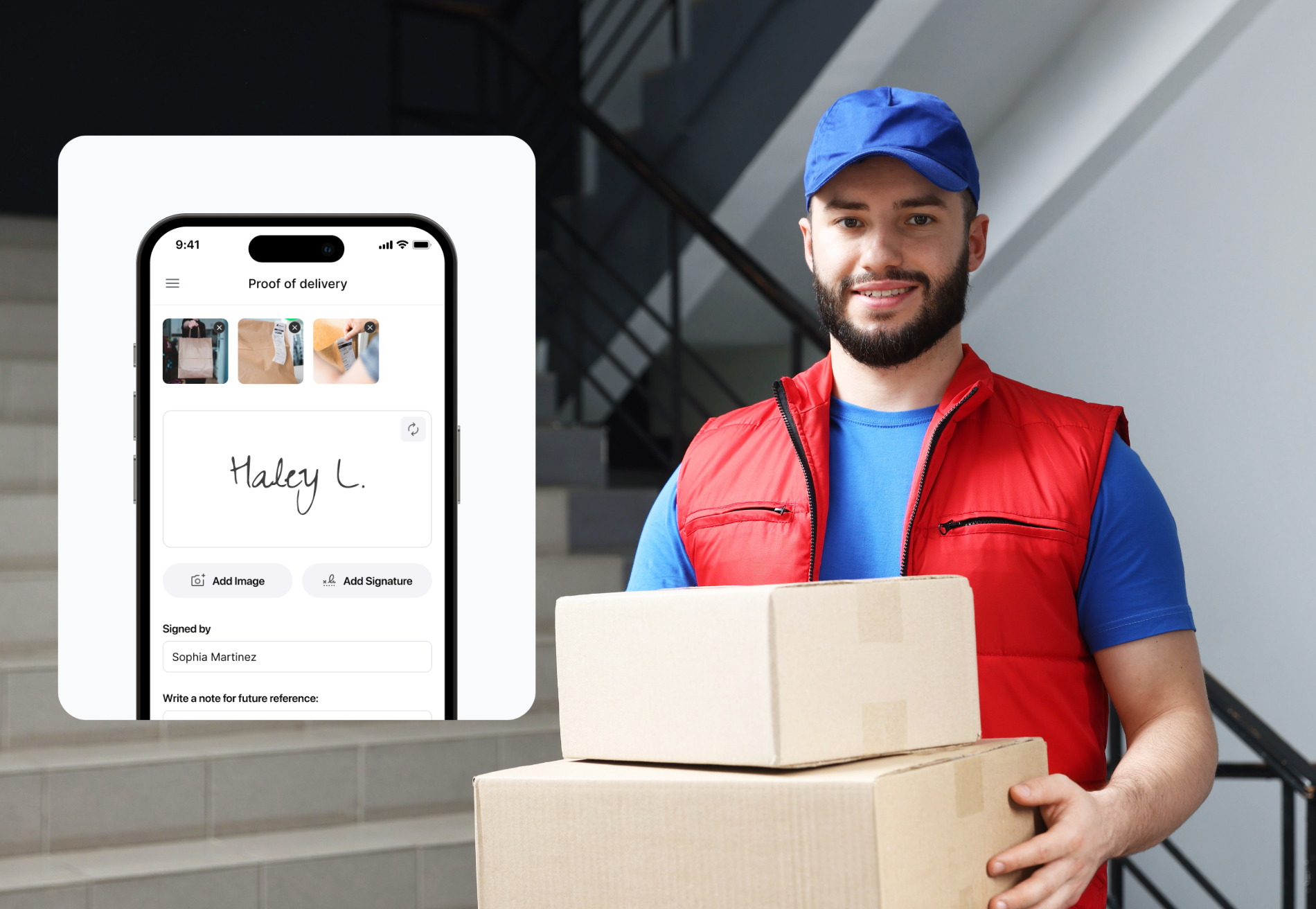
This is where Shipday fits in the stack. Shipday includes built-in age-gate confirmation: customers attest to legal age at checkout before the order is placed, and drivers are prompted to verify ID at the door through the driver app. The confirmation is logged, timestamped, and attached to the order record. If there's ever a question about compliance on a specific delivery, the record is there.
Shipday's Elite plan ($99/month) includes barcode scanning and ID verification as native driver app features — removing the manual judgment call from the compliance step and replacing it with a documented digital workflow.
On the integration side: Shipday connects with Shopify, WooCommerce, Square, and Wix. If you already have an online store or ordering setup, you likely don't need to rebuild anything. Orders flow in automatically; drivers get dispatched from the same dashboard.
Choose software that treats compliance as a feature, not an afterthought. For alcohol delivery specifically, the age-gate and ID verification step is where your legal exposure lives — it belongs in the software layer, not in a printed checklist drivers may or may not follow.
Steps 5–7: Build your ordering flow, price your delivery fee, and market to existing customers
With compliance and software in place, the remaining steps are operational and marketing — and neither needs to be complicated.
Step 5: Build your ordering flow
Meet customers where they already are. If you have a Shopify or WooCommerce store, Shipday's native integration pulls orders directly — no manual copy-paste, no separate order entry. If you don't have an online store, Shipday supports phone and WhatsApp ordering as well. The goal is the lowest possible friction between a customer deciding they want delivery and you receiving a confirmed, compliant order.
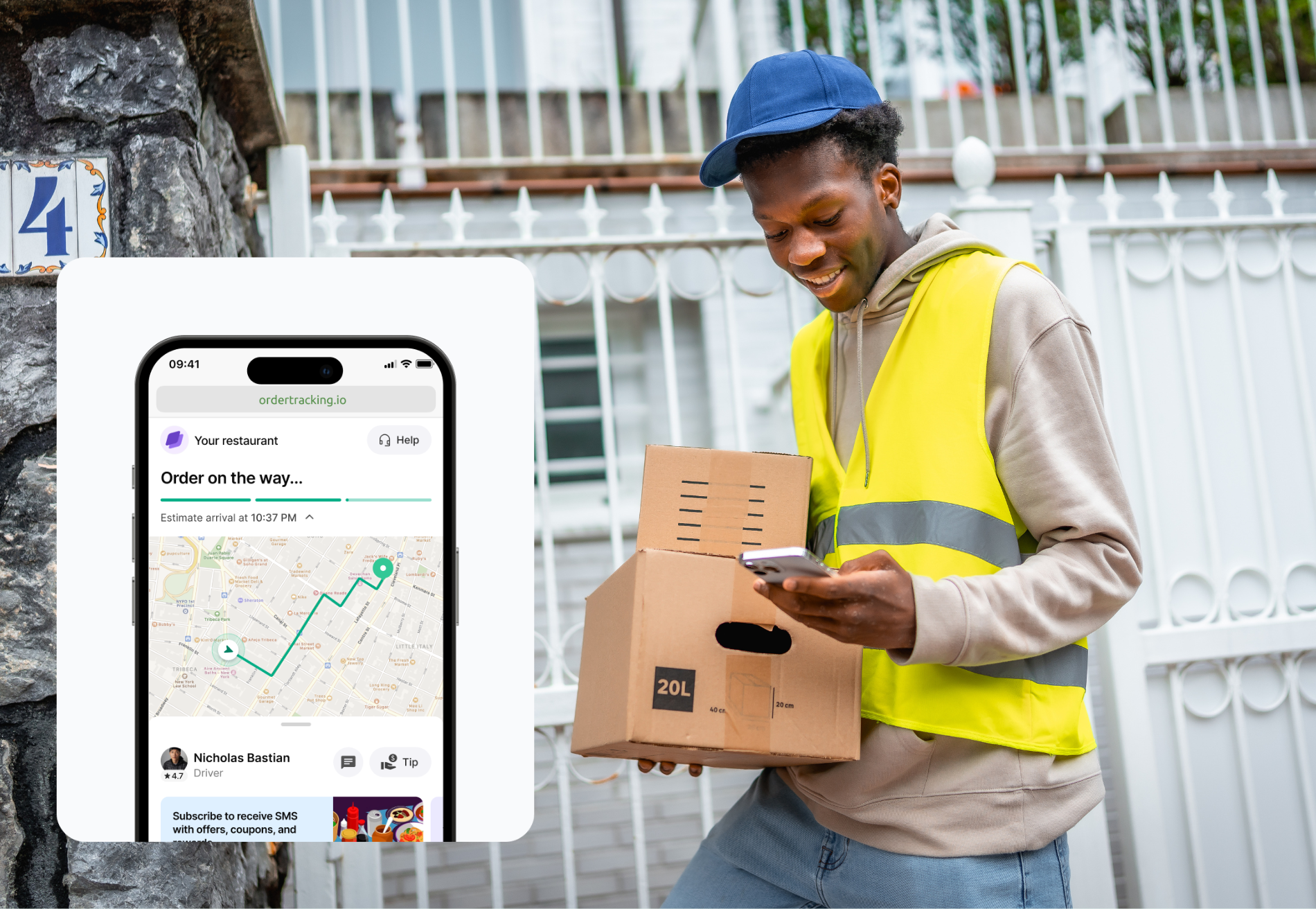
Think through the order confirmation experience from the customer's side. After they place an order, do they know when to expect it? A confirmation message with an estimated delivery window and a tracking link — both of which Shipday sends automatically — closes the gap between "order placed" and "customer waiting by the door." That one communication step prevents most of the "where's my order?" calls.
Step 6: Price your delivery fee
A cost-based pricing model keeps you profitable from the start. The rough math: take your driver's hourly rate, divide by the estimated number of deliveries per hour for your zone, then add a margin buffer. For most sub-5-mile delivery zones, a flat fee of $5–$8 is common and covers costs without making customers think twice.
Don't underprice delivery to drive volume. Free delivery on alcohol orders sounds attractive until you're doing the math on a slow Tuesday. If you want to use free delivery as a promotional tool — say, for a launch week or a first-order offer — set an end date and treat it as an acquisition cost.
Step 7: Market to existing customers first
Your regulars are your highest-conversion segment for a new delivery service. They already trust your store, they already buy from you, and they're much more likely to try delivery from a store they know than to find you through a paid ad.
Send an email to your existing customer list before you do anything else. Tell them delivery is live, what your zone covers, what the minimum order is, and how to place an order. Follow it with a sign in your store — a simple card at the register or a note on your bags works. If you have a Google Business profile, update it with your delivery offering.
That combination — one email, in-store signage, updated Google profile — will get you your first 20 orders faster than any paid campaign. Paid acquisition comes later, once you've confirmed the operation works and you know your cost per delivery. Don't spend money acquiring new customers until you're confident you can deliver a good experience for the ones you already have.
Key takeaways
Launching alcohol delivery is manageable when you sequence it correctly — compliance first, operations second, marketing third.
The stores that win at delivery aren't the ones with the biggest marketing budget or the widest zone. They're the ones who built a compliant, reliable operation and then told their best customers about it.
The compliance piece is more knowable than it looks. Most states have clear permit pathways. The software handles the age-gate and ID verification steps. The protocol is trainable. What's left is the execution — and that starts with one phone call to your state's alcohol regulatory agency.
Most liquor stores that don’t succeed at delivery don't fail because of logistics. They lose because they were not diligent about compliance. Operational pieces can be taught and learned. The compliance pieces are non-negotiable.
Get the order right: permit first, software second, marketing third. Everything else, like the zone size, fees, and ordering flow, can be adjusted on the fly. Compliance mistakes are costly and can't be patched after the fact.
Ready to set up your delivery operation? Shipday's built-in age-gate and ID verification make compliance one less thing to worry about. Start free.
FAQ
Do I need a special license to deliver alcohol from my liquor store?
In most states, yes — a separate delivery permit is required on top of your retail liquor license. Requirements vary significantly by state, and some states have county-level restrictions as well. Contact your state's alcohol beverage control agency to confirm what your current license covers and what a delivery permit requires before you build out any operations.
What are the ID verification requirements for alcohol delivery drivers?
Drivers must verify a government-issued photo ID at the door, confirm the customer is present (not a third party), confirm the customer is not visibly intoxicated, and confirm the photo matches the person receiving the order. A failed delivery — underage, no ID, intoxicated recipient — must be documented and the order returned to the store. Shipday's driver app includes a built-in ID verification prompt that logs the confirmation digitally on each delivery.
What delivery software works best for liquor store delivery?
Look for software that includes age-gate confirmation at checkout and ID verification prompts in the driver app — not just route management. Shipday includes both, with barcode scanning and ID verification available on the Elite plan. It also integrates with Shopify, WooCommerce, Square, and Wix, so your existing ordering setup likely connects without rebuilding your stack.
How do I set a profitable delivery fee for alcohol delivery?
Start with a cost-based model: driver hourly rate divided by estimated deliveries per hour, plus a margin buffer. For most sub-5-mile delivery zones, $5–$8 is a common flat fee. Set a minimum order value ($25–$40 is typical) to protect margin on driver time, and avoid discounting delivery to drive early volume — it's difficult to raise prices once customers expect free delivery.
Can I use Shopify or WooCommerce to take alcohol delivery orders?
Yes — Shipday integrates natively with Shopify, WooCommerce, Square, and Wix. Orders placed through your existing store flow directly into Shipday's dispatch dashboard, with the age-gate confirmation step built into the checkout flow. No manual order entry required.
Note: Alcohol delivery regulations vary by state and locality and are subject to change. This guide is intended as a general operational reference. Verify all licensing requirements with your state's alcohol beverage control agency before launching delivery.


.avif)
Índice
Artículos relacionados
¿Listo para empezar?
Juega primero con él, agrega tu equipo y paga después.


%201.svg)

.svg)