

How Water Delivery Companies Can Run More Stops Per Driver — and Keep Customers Coming Back


A subscription water delivery customer is worth roughly $600 in annual recurring revenue. Not one order. Twelve. Lose them, and you don't lose a transaction — you lose a year of margin, plus whatever it costs to replace them.
The three most common reasons water subscription customers cancel isn’t price or water quality. It’s late deliveries, missed windows, and a lack of consistent communication.
When water delivery operators invest in delivery management tech, that’s the problem they solve.
Why water delivery is a retention business, not just a logistics business
The majority of water delivery revenue comes from recurring subscription accounts. Think: houses, offices, restaurants, and commercial spaces. Whe these accounts do churn, they do so quietly. An office manager who's had three inconsistent deliveries calls a competitor to get water delivered.
ReadyRefresh — now part of Primo Brands — has 905 reviews on Sitejabber averaging 1.4 stars. Read through and you’ll find a litany of complaints—not about water quality or price— almost purely operational. There are deliveries skipped without notice, windows missed and rescheduled without communication, drivers ignoring placement instructions, empty bottles not collected, customers billed for containers that were never picked up. A Trustpilot reviewer described waiting two months for a delivery while still being billed. Another had a driver skip their entire month of orders without notification.
These are the failures that kill subscriptions. And none of them are price problems. All of them are solvable. People still need to hydrate.
The small operator who shows up when they say they will, sends an ETA before the customer has to wonder, and documents every stop isn't competing on price with ReadyRefresh. They're competing on the one thing ReadyRefresh is systematically failing at.
How does route density affect water delivery driver performance?
Route optimization in water delivery saves energy in both machine and human power. A 5-gallon jug weighs 42 pounds. Drivers carry them up stairs, through office hallways, into healthcare facilities with sign-in requirements — often two at a time. One Quora respondent described their driver backing 200 feet down a narrow road and then hauling jugs up 12 steps for a single residential stop.
A courier who's hauled 80-pound loads up stairs for four hours is slower and less accurate on the back half of the route. An inefficient route turns a manageable physical job into an endurance test where errors pile up and the day gets harder. And it wastes fuel. As Shipday's analysis of water delivery operations notes, every delivery has a return leg — each stop requires collecting empties, not just dropping off full jugs. A driver running an inefficient route isn't just covering more miles; they're doing more physical work per hour than a well-sequenced route would require.
Route density is workload management. A driver who's covered half his miles by noon has more left in the tank at stop 28 than one who's been zigzagging the territory since 7am.
What happens when empty water jugs don't get picked up
Water delivery is a two-way logistics operation. Drivers drop off full jugs and collect empties at the same stop. If empties don't get picked up, customers get billed for containers they're still holding. If five-gallon jugs start piling up in a cramped office kitchen, the next delivery can't happen cleanly.
Many routing tools don't account for this. Drivers who aren't tracking empty retrieval miss pickups, generate billing disputes, and eventually lose accounts over billing confusion that should never have happened. ReadyRefresh reviews cite this exact failure repeatedly — drivers leaving empties behind, customers receiving invoices for containers sitting in their break room for weeks.
A driver app that captures empty retrieval at each stop turns a two-way logistics problem into a closed loop. Customers aren’t billed for empties, and operators don't get a call three weeks later asking why the invoice is wrong. That call costs more than the bottle. And the account it damages costs more than the call.
How automated notifications cut the "where's my water?" call
When you fix the routes, document the empties, and build per-stop notes for commercial accounts, you've solved the operations side. But what you still need is visibility into what's happening while the routes are running.
When a customer calls asking where their delivery is, you call the driver. They answer, or they don't. If they do, you relay a rough location. If they don't, you tell the customer you'll call back. And so it goes. Over the course of a delivery day, those calls add up — and each one is time you're not scheduling, not dispatching, not solving the next problem.
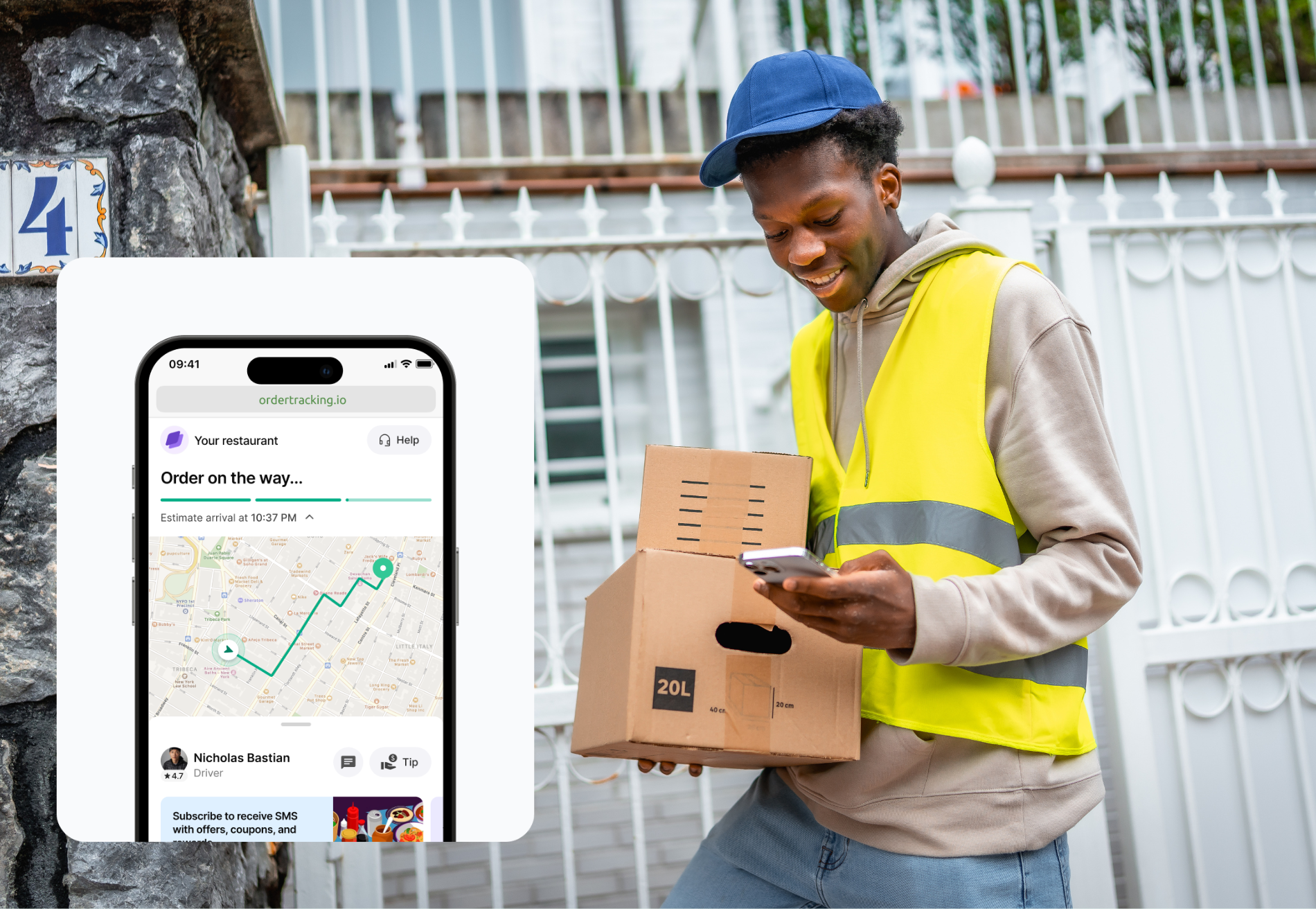
Real-time driver tracking changes the nature of the question. You already know. You can notify customers proactively — "your delivery is scheduled for this afternoon, your driver is currently three stops away" — and cut the inbound volume before it starts. The customer who gets an ETA before they think to call isn't unhappy.
But it also changes what you can do when something goes wrong. If a driver is running behind schedule, you can see that before the phones start ringing and act. By the time a customer calls to ask where their water is, the service failure has already happened. By the time you call back, it's already left a negative impression.
What breaks when recurring routes can't scale with your customer base
Manual route management works until it doesn't. An operator running 60 subscription accounts can manage delivery frequencies, preferred windows, access instructions, and schedule changes in a spreadsheet. At 150 accounts, the same approach produces missed windows, drivers showing up to locked buildings because the schedule wasn't updated, and one-off extra orders that never made it onto the route in time.
Route optimization software addresses this by sequencing stops based on geography, time windows, and driver load — not by what the driver did last week. Subscription schedules, access codes, commercial signing-in requirements, and one-off delivery additions all live in the same system. Drivers arrive with everything they need. Operators can see route progress in real time. The same 150 accounts become routes that run predictably and finish on schedule.
How are the major water delivery players pulling ahead of independents?
The competitive gap between large national operators and independent water delivery companies is widening. Primo Brands — formed from the merger of Primo Water and BlueTriton — explicitly named technology investment in route design and customer experience as a core rationale for the deal. They have more than 50 production facilities and 200 delivery depots across North America. The national brands have the infrastructure, the apps, and the capital to professionalize their operations.
Even with all of the advantages of scale, they're still failing at execution. The ReadyRefresh reviews are evidence enough of that.
But, the window where an independent can win on service alone is narrowing.
The independent operator's real advantage isn't just being small. It's being small enough to actually execute what the nationals keep promising: consistent delivery windows, proactive communication, drivers who follow placement instructions, and empties that actually get collected. That advantage is a real one. It's also only defensible if the operation is built to deliver it consistently, at scale, without depending on any one driver's memory or any one manager's availability. The nationals are building toward that. The independent who gets there first has the best chance to win.
What delivery software does a water delivery company actually need?
What an independent water delivery operation actually needs:
- Route optimization that accounts for geography, stop density, and physical driver load — not just mileage
- Real-time driver tracking so dispatch knows where every driver is without calling
- Per-stop delivery notes for commercial access requirements, jug placement, and timing constraints
- Automated customer notifications so the "where's my delivery?" calls never happen
- Empty bottle retrieval tracking with photo confirmation, so billing disputes don't become account losses
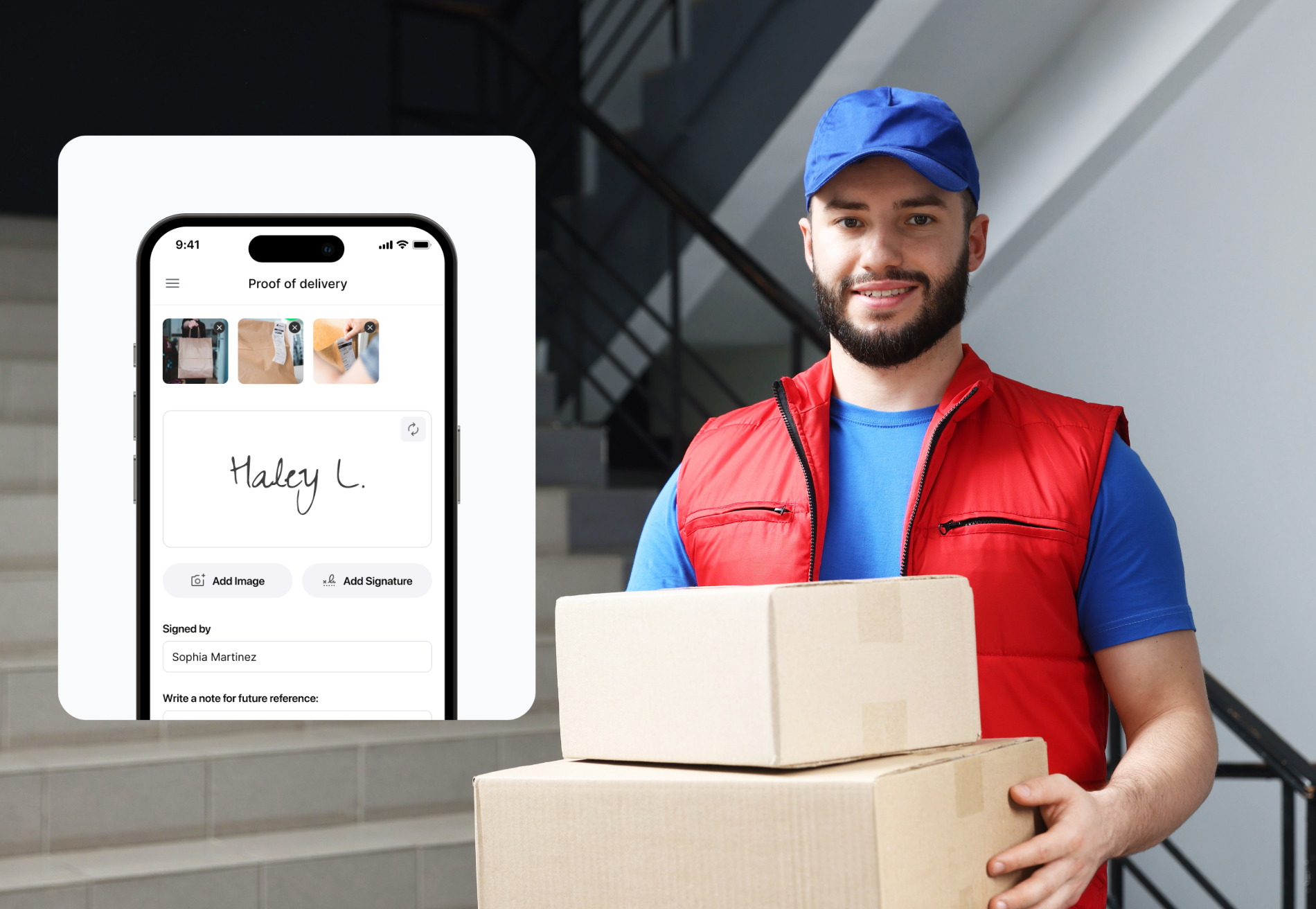
- Proof of delivery with GPS timestamp and photo
Shipday is built for this — for the operator running subscription routes across residential and commercial accounts who needs delivery management without a six-month implementation or an enterprise software contract. The national brands have the scale. The independent has the flexibility to actually execute. Shipday is the execution layer.
The operator who keeps accounts is the one whose driver showed up on time, sent a heads-up beforehand, collected the empties, and documented everything. Twelve times a year, every year, without the customer having to wonder.
It’s an operations problem cloaked in a technology problem—the tools just help you get there.
See how Shipday works for water delivery operators →
Frequently asked questions
Why do water delivery customers cancel subscriptions?
The most common reasons for cancellation are operational, not price-related. Missed delivery windows, deliveries rescheduled without notice, drivers ignoring placement instructions, and billing disputes over empty bottles that weren't collected. A scan of ReadyRefresh reviews on Sitejabber, 905 reviews averaging 1.4 stars, shows operational failures driving most cancellations across the national brands.
What is empty bottle retrieval and why does it matter?
Water delivery is a two-way logistics operation. Drivers drop off full jugs and pick up empties on the same stop. When empties aren't collected, customers get billed for containers they didn't keep, and future deliveries can't be completed cleanly. Documenting empty retrieval at each stop, with the count confirmed and a photo taken, prevents billing disputes and keeps the route running.
How does route density affect water delivery driver performance?
A 5-gallon water jug weighs 42 pounds. Drivers carry them up stairs, through offices, and into commercial spaces all day. Inefficient routes that spread stops across a wide area waste fuel and add to the total physical load per shift. By the later stops, drivers are more fatigued and more error-prone. Tighter route density cuts both travel time and cumulative strain, so accuracy holds through the end of the route.
What do commercial water delivery accounts require that residential accounts don't?
Commercial accounts like offices, gyms, and healthcare facilities usually need delivery within business hours, check-in at reception, specific jug placement in designated rooms, and sometimes advance building access notice. Drivers without per-stop instructions waste time on-site and risk failed deliveries. Per-stop notes in a driver app standardize how commercial stops get handled, so it doesn't depend on any one driver's memory.
What delivery software do water delivery companies need?
Water delivery operators need a few specific things: route optimization that accounts for stop density and physical driver load, real-time driver tracking, per-stop delivery notes for commercial accounts, automated customer notifications, empty bottle retrieval tracking, and proof of delivery with photo and GPS confirmation. Most enterprise logistics tools carry complexity and cost that independent water delivery operations don't need.



.avif)
Índice
Artículos relacionados
¿Listo para empezar?
Juega primero con él, agrega tu equipo y paga después.


%201.svg)

.svg)