

How Independent Auto Parts Stores Can Win on Same-Day Delivery


It's 10:15am. A shop has a 2014 Subaru Outback on the lift, and the customer is waiting. The tech diagnosed a bad caliper at 9:30, called in the part at 9:45, and was told it was on the next run. The bay is occupied. The customer has already called once. The shop owner is watching the clock and quietly updating his opinion of your store. He doesn't say anything yet. He just files it away.
This plays out across 280,000 independent repair shops that depend on local jobbers for same-day parts access. The account rarely leaves in a single dramatic moment. It erodes — one delayed delivery, one unanswered call, one dispute with no record to reference — until the shop finds a jobber who shows up faster and with fewer problems.
The jobber model has worked for over a century because local speed and relationship beat everything else. That's still true. What's changing is the execution bar — and the chains are raising it.
Why do repair shops stay loyal to one jobber?
Repair shops pick their jobber on speed and reliability. A shop that finds a reliable jobber rarely switches. The cost of changing parts relationships means resetting part numbers, pricing agreements, core return processes, and account history — a headache nobody wants when the bays are full. But the inverse is equally true, and equally quiet. A jobber who is slow, inconsistent, or hard to reach loses the account over time, to whoever shows up more reliably, without a single conversation about it.
According to mechanics on BobIsTheOilGuy, what actually drives loyalty is accountability over proximity. Shops cite suppliers who stand behind their parts and honor labor claims without a fight as the primary reason they stay. One commercial shop owner described his switch: his new jobber "stands behind their parts and me — pays labor claims within 24 hours with no issues."
A slow driver, a driver who's hard to reach, a driver who drops a part and leaves without confirming — these are account problems. The shop sees the driver multiple times a day.
Why fixed delivery runs don't match how repair shops actually order
Repair shops don't know what they need until the day starts. A tech pulls a car in, diagnoses it, and calls for the part. Advance Auto Parts makes roughly 58% of its sales to technicians on exactly this basis — they order when the diagnosis happens, not the night before.
That's the structural problem with fixed AM/PM delivery runs. The shop that calls at 10:30am for a caliper isn't waiting until the 2pm run. They're calling the next store on their list.
An operation that can dispatch on demand wins those jobs. One that says "next run is at 2pm" is training shops to call someone else first. The fix isn't eliminating scheduled runs — it's building the ability to move outside of them: a trackable driver, a route that's flexible, and a system that shows the operator where every driver is without picking up the phone.
Is Amazon really the biggest threat to independent auto parts stores?
Independent jobbers spend energy worrying about Amazon. That energy is largely misdirected.
Amazon competes in the DIY retail segment — the consumer who wants to change their own brakes on a Saturday. For commercial accounts, the model requires same-hour delivery and counter expertise. Amazon cannot get a caliper to a repair shop in 45 minutes. It cannot tell a mechanic which of three compatible rotors actually fits a 2019 Outback with the sport package.
The actual threat is the chains. AutoZone has been building mega-hub distribution centers specifically to tighten commercial delivery times. O'Reilly has pushed aggressively into the DIFM market, targeting repair shops that previously bought from independent jobbers. Advance Auto has 54 distribution centers running same-day and next-day fulfillment. These aren't retail operations. They're logistics operations, and they're targeting the same commercial accounts independents depend on.
The independent store's edge is local knowledge and personal speed. That edge is real. It's also under pressure from operations that are closing the delivery time gap systematically.
According to S&P Global Mobility, the average U.S. vehicle is now nearly 13 years old — a record. The 2015–2019 model years are entering their prime repair window, rolling off warranty and generating more visits. The U.S. light-duty aftermarket hit $435 billion in 2025, according to the MEMA Aftermarket Suppliers and Auto Care Association. More repair demand means more parts calls, and more opportunities to create business.
What happens when auto parts delivery runs on paper
Many independent jobbers still run on paper with handwritten orders, phone dispatch, no delivery confirmation, and no route data. Account history lives in physical file folders, and there's no system of record when something goes wrong. And it works, until it doesn’t.
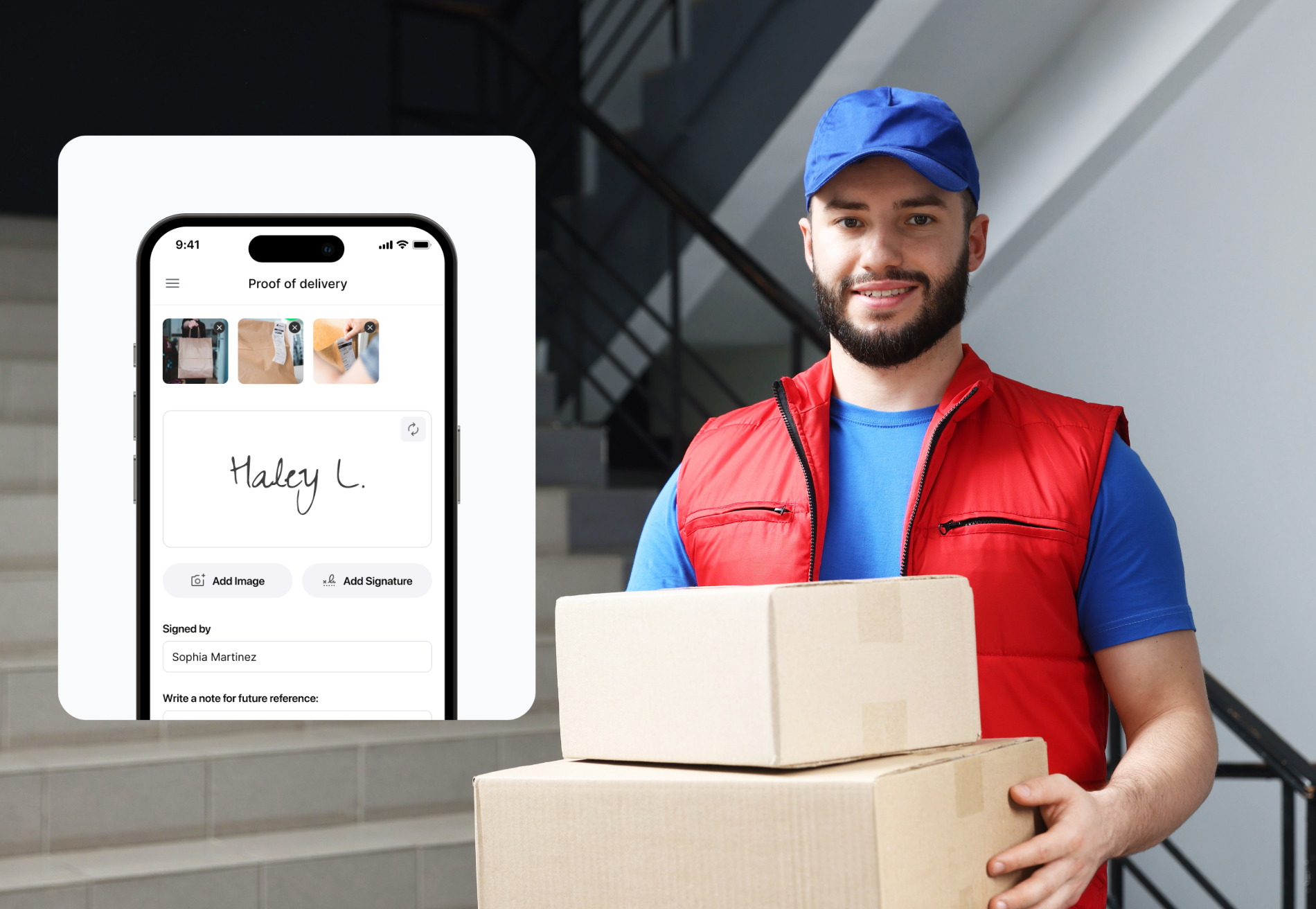
A shop claims a part was never delivered. The driver says it was. No timestamp, no GPS record, no photo — that dispute is a coin flip. The store usually eats the cost. A digital proof of delivery closes it in thirty seconds: photo of the part at the service desk, time-stamped, location-verified. More importantly, it makes the conversation short enough that the relationship doesn't have to absorb it.
Core returns are the other common source of billing disputes in this business. The shop returned the old unit. The credit never appeared on the invoice. Nobody can prove what happened. A driver app that documents core pickups at delivery prevents most of those conversations before they start.
Paper operations can coast on relationships. They can't protect relationships under pressure. Those are different things.
How real-time delivery tracking protects auto parts accounts
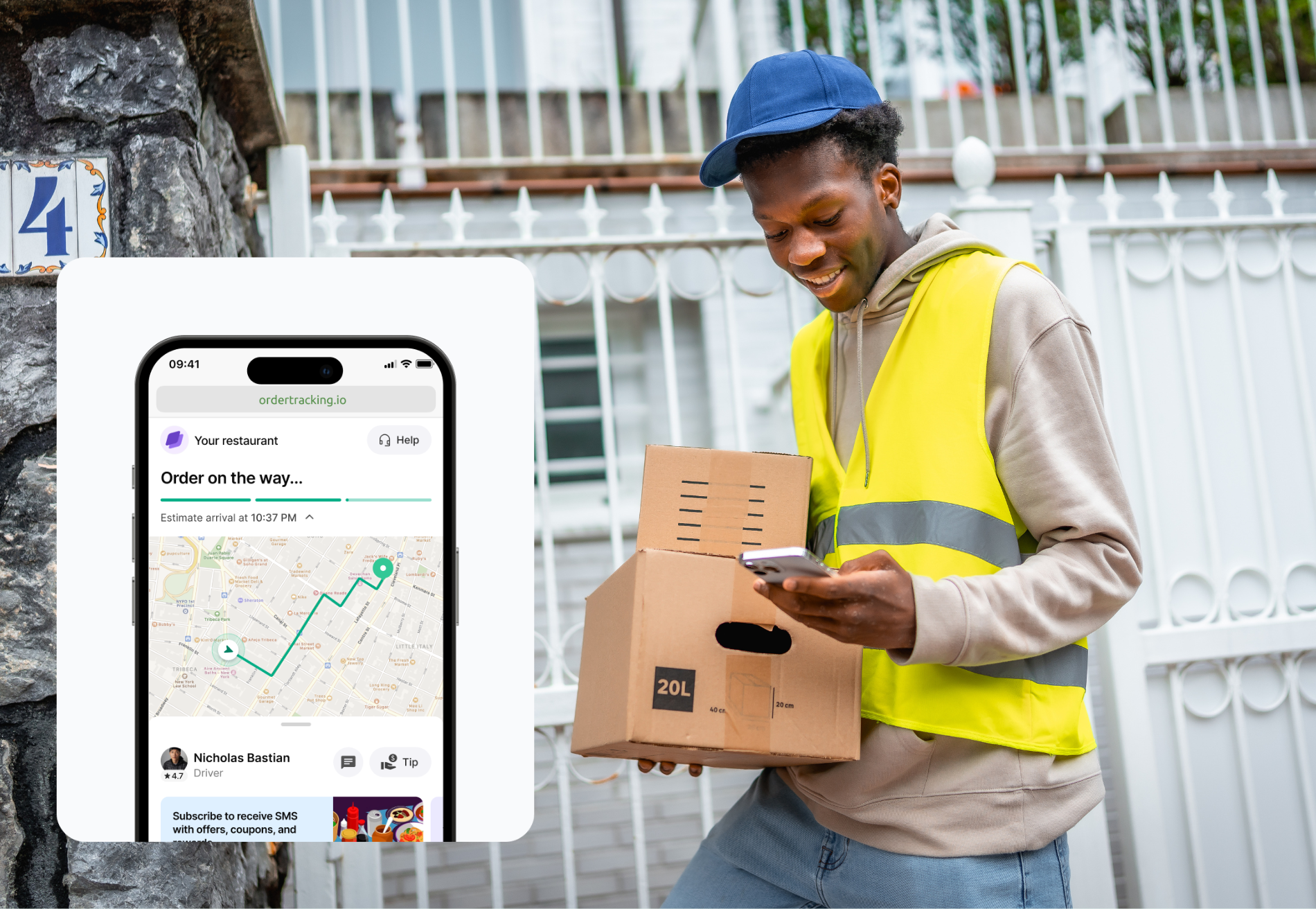
When a shop calls asking where their part is, the answer in most independent operations is to call the driver. But you don’t know if he’s going to pick up, or where he is. Real-time driver tracking changes the question. You already know. You can give the shop an ETA before they call — and when a driver is running behind, you can see it at 10 am and act. Pull another driver. Call the shop to reset expectations. Do something. By 2 pm, you're not solving problems. You're managing fallout.
Per-stop delivery notes give drivers what they need before they arrive: where to park, who signs, any access requirements specific to that shop. A new driver on the route doesn't have to figure it out at the door. An experienced driver doesn't carry 30 accounts worth of details in his head. The knowledge lives in the system, which means it doesn't leave when the driver does.
What delivery software does an independent auto parts store actually need?
The independent jobber doesn't need a full-on warehouse management system. They need the execution layer between the counter and the shop's door.
What that looks like:
- On-demand dispatch so urgent calls don't wait for the next scheduled run
- Real-time driver tracking so the operator knows where every part is without calling
- Per-stop delivery notes capturing access requirements, signing procedures, and shop preferences
- Automated customer notifications so shops get ETAs without calling the counter
- Proof of delivery with photo and GPS, so disputes have a record and core returns are documented
Shipday is great for auto parts delivery management. Not for a regional warehouse distributor running 50 vehicles across a metro. For the independent jobber running 2–5 drivers across a commercial territory, competing on speed and relationship, and losing accounts every time execution can't back the relationship up. The Basic tier covers 300 orders per month and up to 10 driver accounts at no cost — enough for most single-location stores to replace the whiteboard without adding a new daily operating cost.
The chains have the infrastructure. The independent has the relationship. The relationship only holds as long as the execution does.
The shop with the Subaru on the lift at 10:15 am doesn't care about your routing software. He cares whether the caliper shows up before his customer asks for a ride home. The only question is whether your operation is built to make that happen — consistently, on record, every time.
See how Shipday works for auto parts delivery →
Frequently asked questions
What is a jobber in the auto parts business?
A jobber is an independent auto parts distributor who buys inventory from a warehouse distributor and delivers directly to commercial accounts, mostly independent repair shops. Jobbers compete on local speed, parts expertise, and account relationships. The model dates to the earliest days of the automotive aftermarket and is still how most independent repair shops in the U.S. get their parts.
Why do repair shops prioritize accountability over speed?
Speed gets a shop's attention. Accountability keeps the account. Mechanics depend on parts suppliers to stand behind what they sell, which means honoring labor claims when a part fails, handling core returns cleanly, and resolving billing disputes without a fight. A jobber who delivers in 45 minutes but disputes every return will lose accounts to a chain that takes 90 minutes and makes problems disappear.
Is Amazon a threat to independent auto parts stores?
For commercial-focused stores serving repair shops, no. Amazon competes in the DIY retail segment but can't deliver parts same-hour or provide the counter expertise commercial accounts need. The bigger threat comes from AutoZone's mega-hub expansion and O'Reilly's push into the DIFM commercial market. Both are targeting the repair shop accounts independent jobbers depend on.
What is a core charge in auto parts delivery?
A core charge is a deposit applied to remanufactured parts like alternators, starters, calipers, and water pumps. It gets refunded when the old unit is returned through the supply chain. Core returns are one of the most common sources of billing disputes in the parts business. Driver apps that document core pickups at the point of delivery create a record that prevents most of those disputes before they start.
What delivery software do independent auto parts stores need?
Independent jobbers need on-demand dispatch, real-time driver tracking, per-stop delivery notes, automated customer notifications, and proof of delivery with photo and GPS confirmation. Most enterprise logistics platforms carry complexity and cost built for warehouse distributors. Purpose-built last-mile delivery tools cover what jobbers actually need to protect account relationships, without the overhead.



.avif)
Índice
Artículos relacionados
¿Listo para empezar?
Juega primero con él, agrega tu equipo y paga después.


%201.svg)

.svg)