


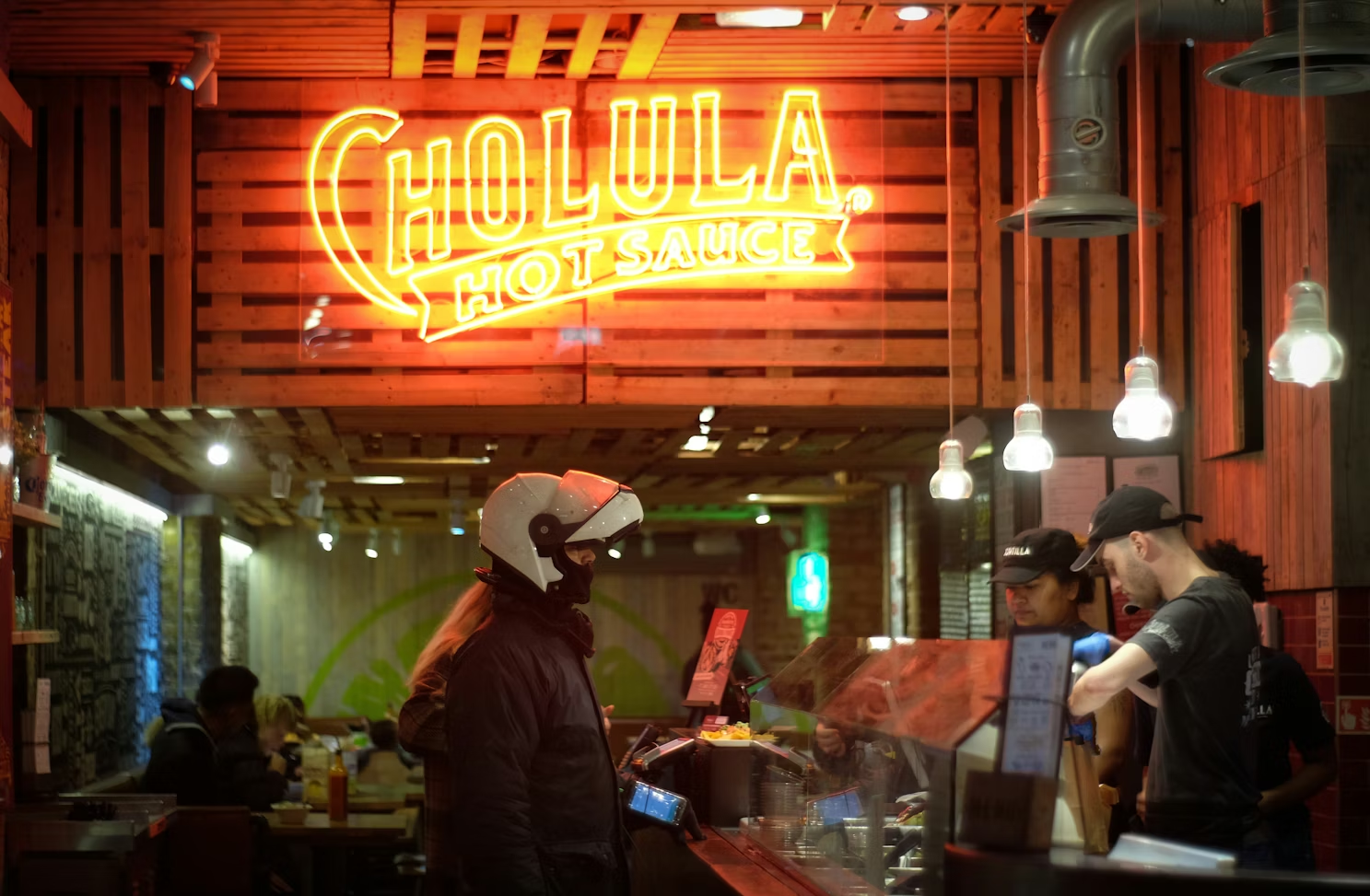
Throughout January 2026, our team analyzed direct delivery software platforms designed to support restaurants in organizing independent, in-house delivery systems. We looked for affordable platforms, with flexible integrations that offer even the smallest restaurants uber-like control of their delivery queue and customer experience.
We ranked the top 10 restaurant delivery management platforms to help you find the right fit for your restaurant. Whether you're running a single pizzeria or managing delivery across multiple locations, this guide breaks down pricing, features, and real user feedback so you can make an informed decision. See our full methodology at the bottom of the page.
Best Restaurant Delivery Software Compared
Pricing reflects entry-level plans as of early 2026. Shipday is the only provider offering both a free tier and native restaurant POS integrations.
Best Restaurant Delivery Software: Descriptions & Reviews
1. Shipday
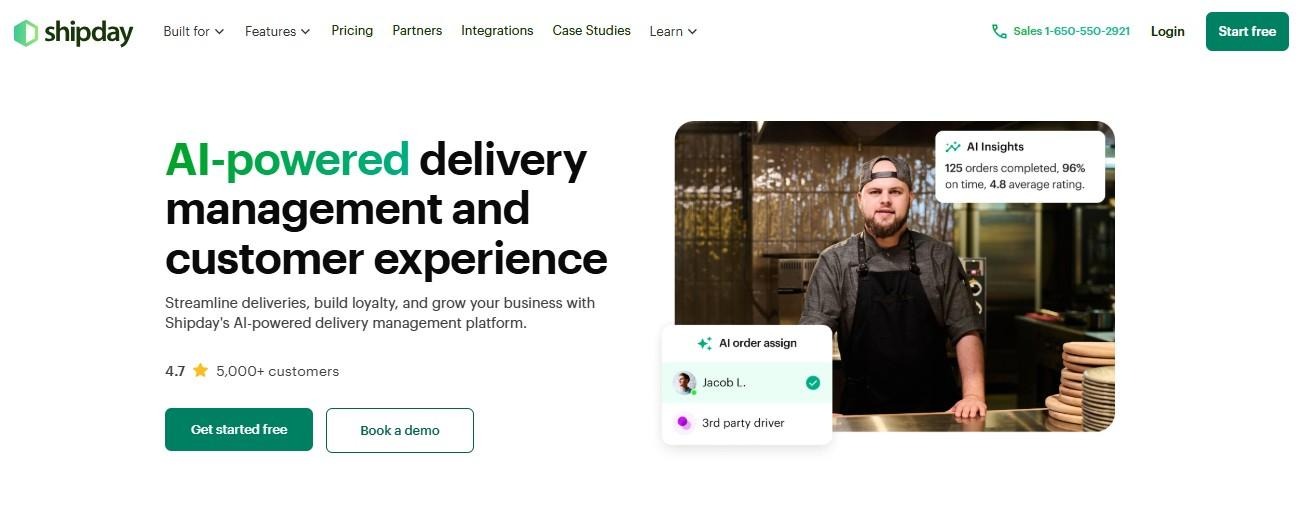
Shipday is a delivery management platform designed to support independent businesses such as restaurants, ghost kitchens, and independent food producers. It offers the most generous free tier on this list, with 300 monthly orders included. Shipday connects directly with popular POS systems restaurants already use (Toast, Square, MICROS) and on-demand their-party drivers (via Doordash Drive and Uber Direct). The software also offers AI-powered agent workflows to automatically assign deliveries and respond to customer inquiries.
- Affordability (5/5): Free tier covers up to 300 orders per month. Paid plans start at $39 per month with no per-order fees.
- Available Integrations (5/5): Native connections to Toast, Square, Lightspeed, and MICROS, plus DoorDash Drive and Uber Direct for overflow.
- Flexibility (5/5): Month-to-month contracts, no driver minimums, scales up or down with seasonal demand.
- Ease of Implementation (5/5): Same-day setup with hands-on onboarding support for POS integration.
- Customer Reviews (4.5/5): 4.6 stars on Capterra from verified restaurant users.
Shipday Customer Reviews
Capterra reviewers praise Shipday's hands-on support and restaurant-specific integrations. One food and beverage CEO noted, "They walk you through each step on the onboarding and help you set up the integration…like no other company I have worked with." Another restaurant user mentions, “It is convenient, and we do not have to worry about always having in-house delivery drivers on staff."
2. Onfleet
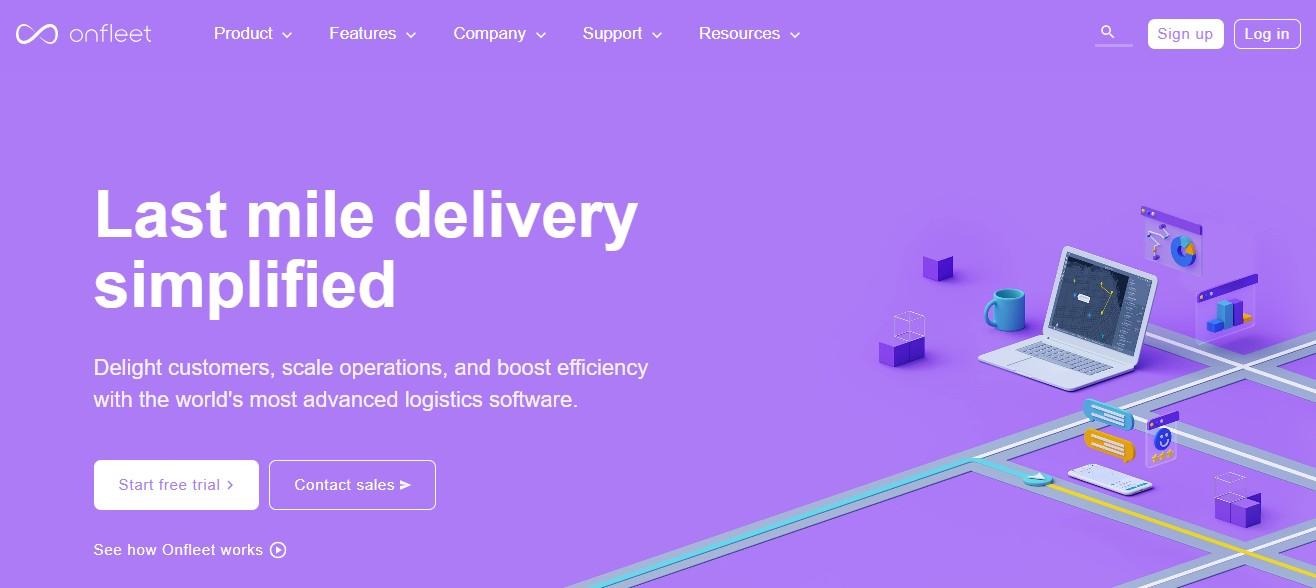
Onfleet is an enterprise-grade delivery management platform used across industries including grocery, pharmacy, and cannabis. Its powerful API makes it popular with companies building custom logistics solutions.
- Affordability (2/5): Plans start at $550 per month with no free tier. Enterprise pricing reaches $1,200+ per month.
- Available Integrations (3/5): Strong API and Zapier connections, but no native restaurant POS integrations.
- Flexibility (3/5): Annual contracts recommended; task limits apply per tier.
- Ease of Implementation (4/5): Clean interface, but setup requires technical resources for most restaurants.
- Customer Reviews (4.5/5): 4.6 stars on both Capterra and G2.
Onfleet Customer Reviews
Reviewers highlight Onfleet's polished interface and developer-friendly tools. One user called it "a modern product with world-class UX and an API that rivals Stripe's."
3. Tookan
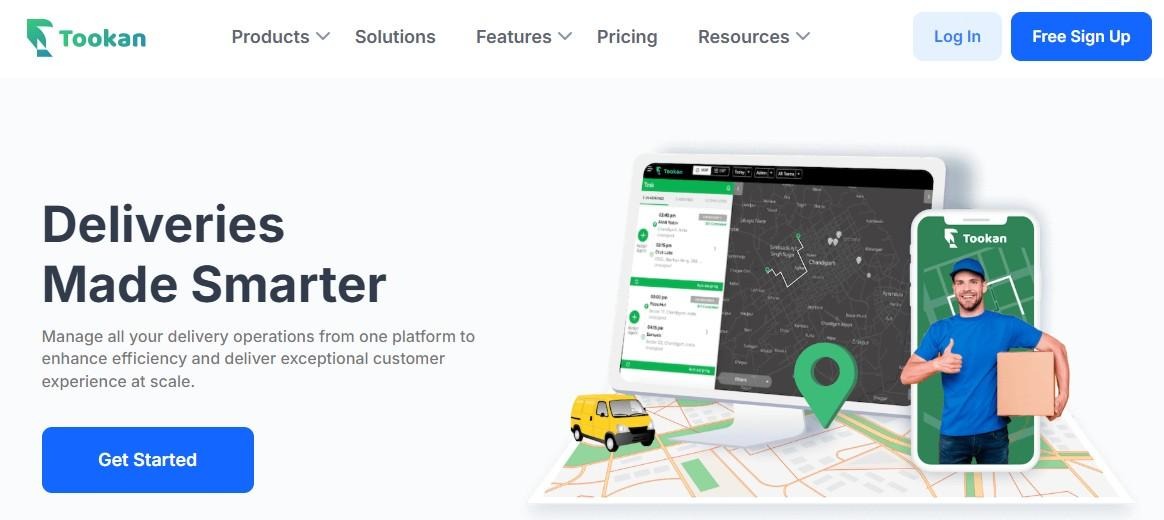
Tookan is a white-label delivery management platform from Jungleworks, offering extensive customization options for businesses that want branded driver apps and customer tracking.
- Affordability (3/5): Starts at $129 per month, but essential features like route optimization cost extra per task.
- Available Integrations (3/5): Connects to Shopify, WooCommerce, and Zapier; no native restaurant POS links.
- Flexibility (4/5): Month-to-month billing available.
- Ease of Implementation (3/5): Dashboard is straightforward, but users report glitches and reliability issues.
- Customer Reviews (3.5/5): 4.2 on G2, 4.1 on Capterra
Tookan Customer Reviews
Users appreciate Tookan's flexibility and white-label options. One reviewer described it as a "very robust and powerful solution" with a straightforward dashboard for dispatchers and drivers.
4. Route4Me
Route4Me is a route optimization platform designed for logistics, field service, and delivery fleets. It serves over 40,000 customers across industries from pest control to pharmaceutical distribution.
- Affordability (2/5): Team plans start around $200 per month; per-user pricing can escalate quickly.
- Available Integrations (2/5): Built for general logistics; limited restaurant-specific connections.
- Flexibility (3/5): Month-to-month available, but feature add-ons complicate pricing.
- Ease of Implementation (4/5): Intuitive interface with minimal training required.
- Customer Reviews (4/5): 4.4 on Capterra
Route4Me Customer Reviews
Capterra reviewers praise Route4Me's intuitive design and responsive team. One logistics coordinator said, "Route optimisation is great, dashboarding is great—and the support is second to none."
5. RouteXL
RouteXL is a web-based route planner for multi-stop trips. It's one of the oldest route optimization tools available and remains popular for its free tier.
- Affordability (5/5): Free for up to 20 stops per day; paid plans start around $40 per month.
- Available Integrations (1/5): No POS integrations, no delivery management features.
- Flexibility (4/5): Pay-as-you-go monthly options available.
- Ease of Implementation (2/5): No mobile app; must plan routes via website and export to navigation apps.
- Customer Reviews (3.5/5): 3.5 on Capterra, 4.2 on G2; limited reviews available.
RouteXL Customer Reviews
Users note RouteXL's free tier and simplicity. One reviewer noted it's "easy to bulk upload multiple stops while calculating the most efficient route."
6. Routific
Routific is route optimization software focused on scheduled delivery operations. It's popular with meal kit companies, florists, and distributors who plan routes in advance.
- Affordability (3/5): Free up to 100 orders per month, then $150 per month for higher volume.
- Available Integrations (3/5): API available; no native restaurant POS connections.
- Flexibility (4/5): Month-to-month contracts with order-based pricing.
- Ease of Implementation (5/5): Highly intuitive; users report minimal training needed.
- Customer Reviews (5/5): 4.9 stars on Capterra
Routific Customer Reviews
Routific earns high marks for ease of use. One dispatcher said it "turned what I used to spend one day doing into a 5-minute task."
7. Track-POD
Track-POD is delivery management software centered on electronic proof of delivery. It's used by distributors, wholesalers, and logistics companies prioritizing delivery confirmation.
- Affordability (3/5): Starts at $29 per driver per month; costs scale with fleet size.
- Available Integrations (2/5): Limited POS connections; stronger in warehouse and ERP integrations.
- Flexibility (4/5): Month-to-month billing; no long-term contracts required.
- Ease of Implementation (4/5): User-friendly interface with responsive human support.
- Customer Reviews (4.5/5): 4.7 stars on Capterra.
Track-POD Customer Reviews
Reviewers focus on Track-POD's real-time visibility and human support. One user said, "Customer service is responsive, quick, and good—above all, you speak to real people."
8. OptimoRoute
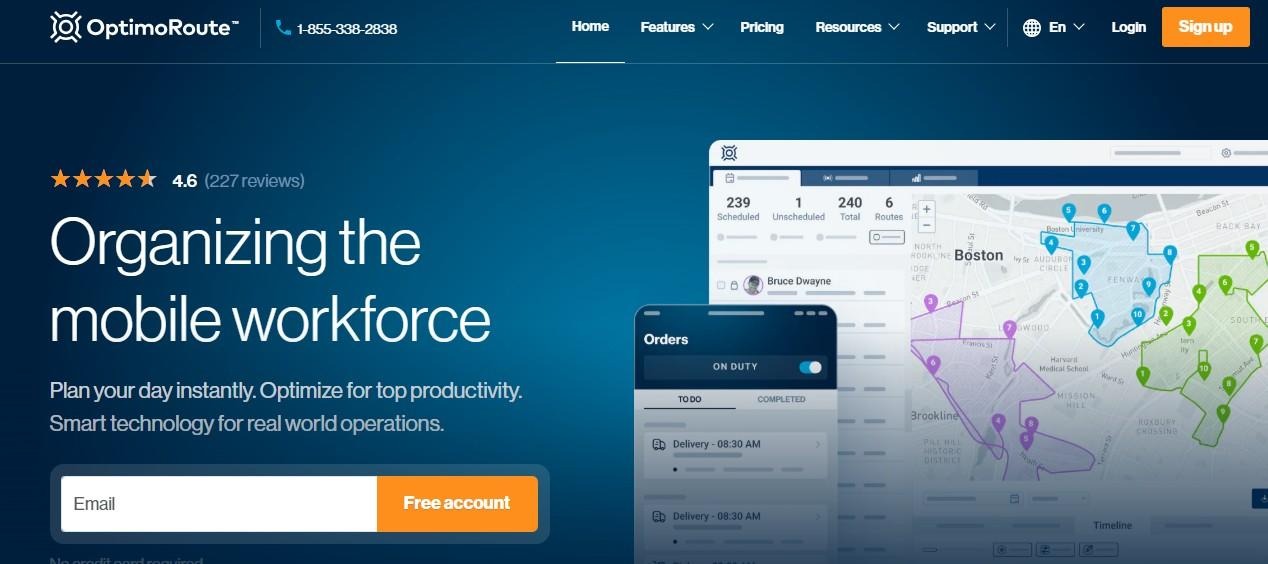
OptimoRoute is route planning software designed for field service and delivery operations. It's popular with pest control, HVAC, and home service businesses managing mobile workforces.
- Affordability (3/5): Starts at $39 per driver per month; per-driver pricing adds up for larger teams.
- Available Integrations (2/5): Field service focus; limited restaurant POS connections.
- Flexibility (4/5): Month-to-month contracts; 30-day free trial available.
- Ease of Implementation (3/5): Powerful features but initial setup can be complex.
- Customer Reviews (4.5/5): 4.6 on Capterra, 4.8 on G2
OptimoRoute Customer Reviews
Users praise OptimoRoute's reliability and continuous improvements. One long-time customer said, "The software saves me a ton of costs in efficiency and labor."
9. Cigo
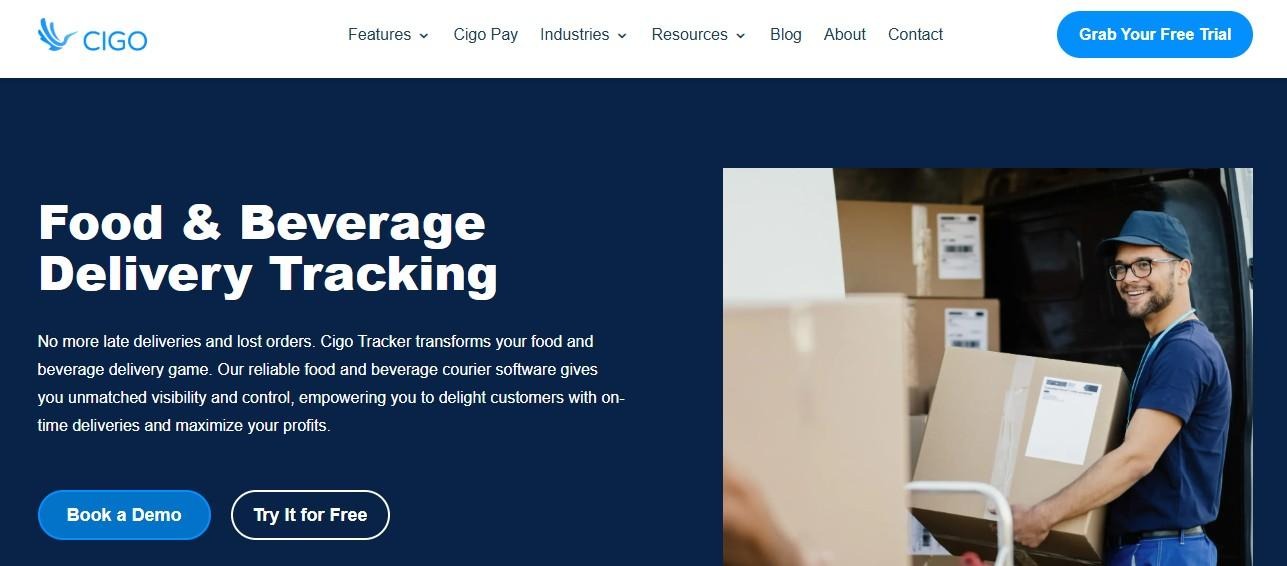
Cigo is a Canadian delivery management platform specializing in last-mile logistics for furniture, appliance, and retail delivery. It's built for complex deliveries requiring installation and time-window scheduling.
- Affordability (2/5): Quote-based pricing geared toward enterprise clients.
- Available Integrations (2/5): Requires API or Zapier; no native restaurant POS connections.
- Flexibility (3/5): Contract terms vary by quote.
- Ease of Implementation (4/5): Intuitive interface with strong customer success support.
- Customer Reviews (5/5): 5.0 stars on Capterra
Cigo Customer Reviews
Canadian retailers highlight Cigo's accuracy and service. One furniture company director called it "ease of use, accuracy, and efficient routing—couldn't be a better solution."
10. Toast
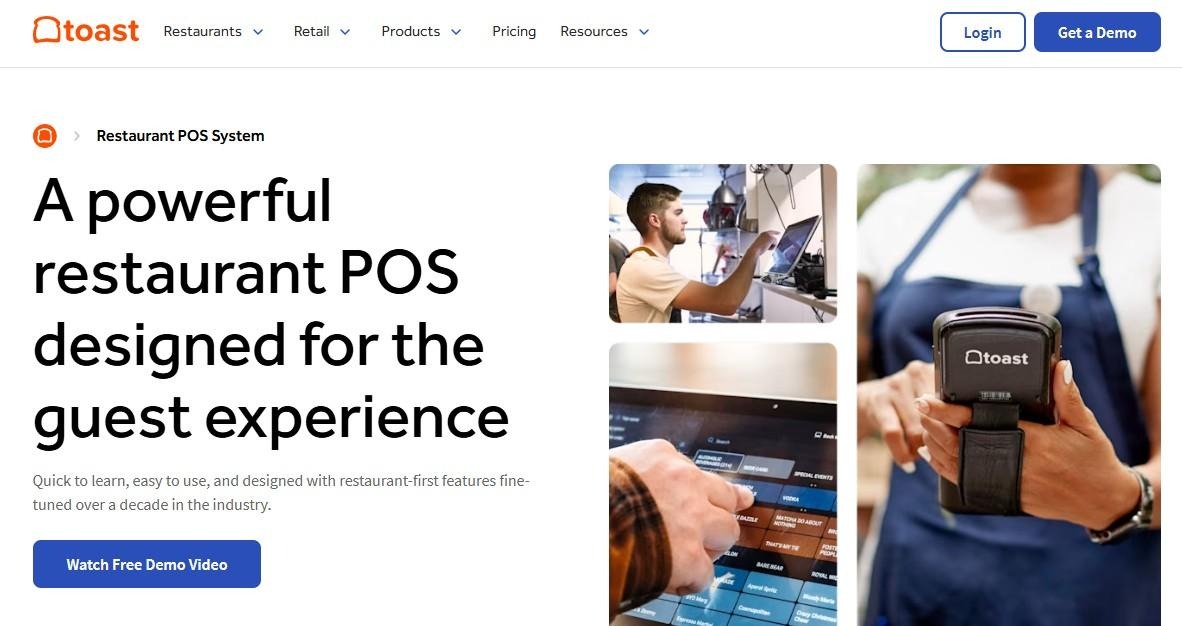
Toast is an all-in-one restaurant POS system that includes optional delivery management through Toast Delivery Services. Toast Delivery Services routes orders to on-demand third-party drivers; it cannot manage an in-house fleet. It's designed for restaurants fully committed to the Toast ecosystem.
- Affordability (2/5): The delivery add-on costs $75 per month on top of POS costs and processing fees.
- Available Integrations (2/5): Works only for the Toast ecosystem; no external POS support.
- Flexibility (1/5): Requires 2-year contract; cannot use own drivers with Toast Delivery Services.
- Ease of Implementation (3/5): Seamless if already on Toast; major commitment otherwise.
- Customer Reviews (4/5): 4.1 on Capterra, 4.5 on G2.
Toast Customer Reviews
Toast users appreciate the all-in-one ecosystem. One Capterra reviewer said the "delivery functionality is a key driver of success" for restaurants already using Toast POS.
Methodology: How We Evaluated
We scored each provider across five criteria, weighted toward what matters most for restaurant operators:
- Affordability (25%): Prioritized free tiers and transparent pricing. Restaurants operate on thin margins and can't absorb surprise fees or steep minimums.
- Available Integrations (20%): Reducing manual data entry saves hours each week. Highest scores went to platforms connecting with POS and online ordering tools restaurants already use.
- Flexibility (20%): Month-to-month contracts, no driver minimums, and the ability to scale with seasonal demand without penalty.
- Ease of Implementation (25%): How quickly can a short-staffed restaurant get up and running? Favored same-day setup over weeks of onboarding.
- Customer Reviews (10%): Verified ratings from G2, Capterra, and GetApp, weighted toward feedback from restaurant and food service users.
Bottom Line
Most delivery management platforms were built for logistics companies, not restaurants, resulting in missing POS integrations and pricing models that don’t work with restaurant budgets.
Restaurants that want affordable, flexible delivery management with native POS integrations and same-day setup will find exactly what they need with Shipday.




.avif)
Índice
Artículos relacionados

¿Listo para empezar?
Juega primero con él, agrega tu equipo y paga después.


%201.svg)

.svg)