

Best AI-powered route Optimization in Delivery Management Software


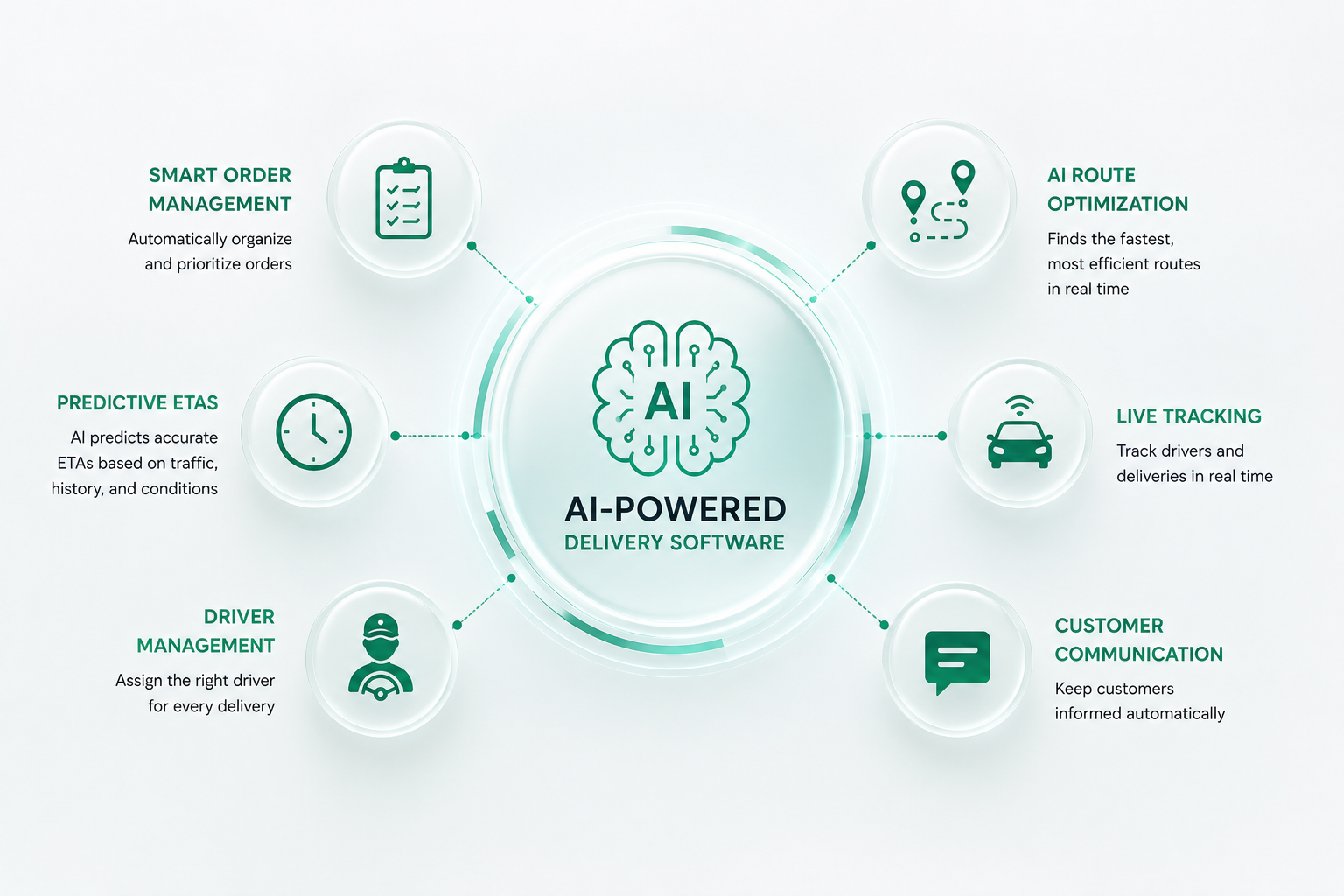
The last mile is the most expensive part of getting an order to a customer. Industry analyses put it at 53% of total shipping costs, up from 41% in 2018. As a small delivery company, you can control those costs with efficient route planning. A poorly planned route costs you twice: once in fuel and driver hours, and again when a late order turns into a refund. Plan your routes well, and your team can run more stops in less time, using less fuel. Route optimization is the process of creating efficient routes, and AI-powered tools have made it affordable for even the smallest delivery businesses.
The best AI-powered route optimization tool is the one that matches your business’s delivery style and budget. For small and mid-sized local operations, Shipday offers the best mix of AI dispatch and route optimization at a small-business-friendly price. High-volume enterprise fleets tend to choose Onfleet or Descartes, while engineering teams building their own customized tech stack opt for an API-first engine like NextBillion.ai.
This guide shows how AI turns basic routing into continuous cost savings, defines all the terms you need to know, and walks you through choosing the best system for your business.
Quick answer: best AI route optimization tools at a glance
- Shipday is best for restaurants, couriers, grocery, and local delivery services that want AI dispatch and route optimization without per-driver fees.
- Onfleet is best for complex, high-volume operations mixing in-house and third-party fleets.
- OptimoRoute is best for teams that combine delivery with field-service scheduling.
- NextBillion.ai is best for engineering teams that embed routing into their own systems via an API.
- Descartes is best for large enterprise fleets that need deep planning and telematics.
First, the basics: what these terms mean
There is a difference between delivery management, route optimization, and AI tools. Each serves a different function. And while some delivery platforms include all three functions, not all do.
What is delivery management software?
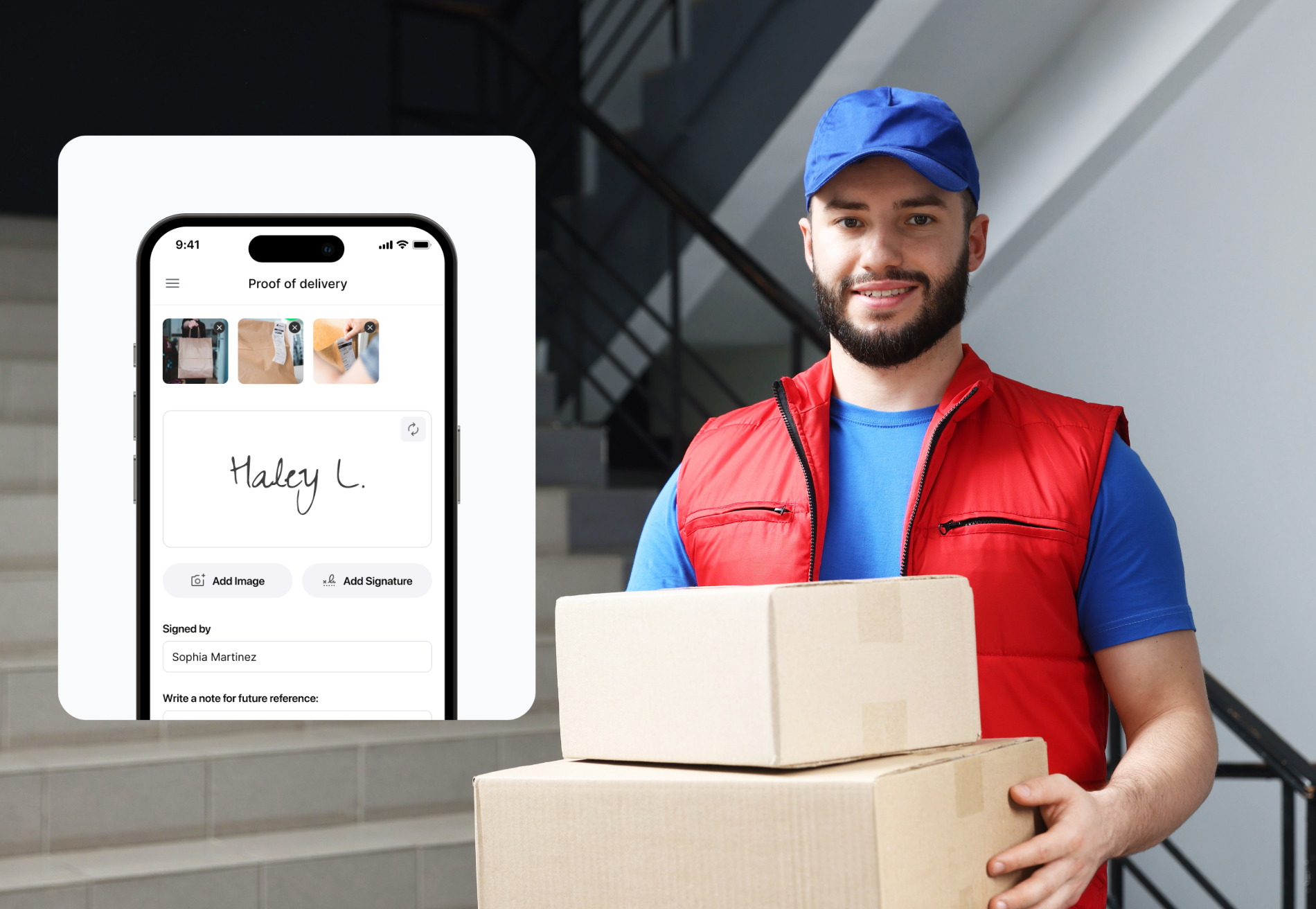
Delivery management software is a tool or app, usually cloud-based, that accepts incoming orders and streamlines driver assignments and order tracking. Delivery management software typically includes driver dispatch, order status tracking, customer notifications, and proof-of-delivery capture, all in one place. Though the tools available on each system can vary.
What is route optimization?
Route optimization is the process of finding the most efficient way to complete a set of stops. It factors in distance, delivery time windows, vehicle capacity, traffic, and driver availability to decide the order and assignment of every stop. Static routing builds a fixed plan once, the way plugging stops into a map app does. Dynamic routing updates the plan as conditions change, which is what separates a basic tool from an AI-powered one.
Many delivery management software systems include route optimization as one feature inside the overall delivery management platform.
What is AI, in plain terms?
Generally, AI is software that learns from data. In the case of route optimization, that means AI tools can follow the data, rather than following pre-set rules. Machine learning spots patterns in past deliveries, and predictive analytics uses those patterns to forecast traffic and predict how long each stop will take. A static tool or human dispatcher might assume three minutes per drop at a large apartment complex; an AI model that has seen thousands of deliveries at that location learns the real figure is closer to nine and automatically plans around it.
How AI Improves Traditional Route Optimization
Basic route optimization solves the puzzle once it is given the inputs. AI route optimization keeps re-solving it as conditions change. An AI routing tool gets “smarter” with every delivery it tracks, using machine learning and real-time data to build routes and then re-optimize them as traffic and incoming orders shift throughout the day.
How it works
For example, Shipday's route planning (and most modern systems) move through four stages.
- Data in. The system takes order details like addresses and delivery time windows, and compares them with available vehicle and driver capacity, live traffic, and historical performance.
- The model. Machine learning evaluates many possible route combinations simultaneously and predicts the service time and ETA for each stop, rather than assuming a preset average for every address.
- The plan. It produces an optimized set of routes and assigns each one to the right driver based on location and available capacity.
- Re-optimization. When a driver runs late, a new order arrives, or traffic conditions change, the system recalculates on its own rather than forcing a dispatcher to rebuild routes by hand.
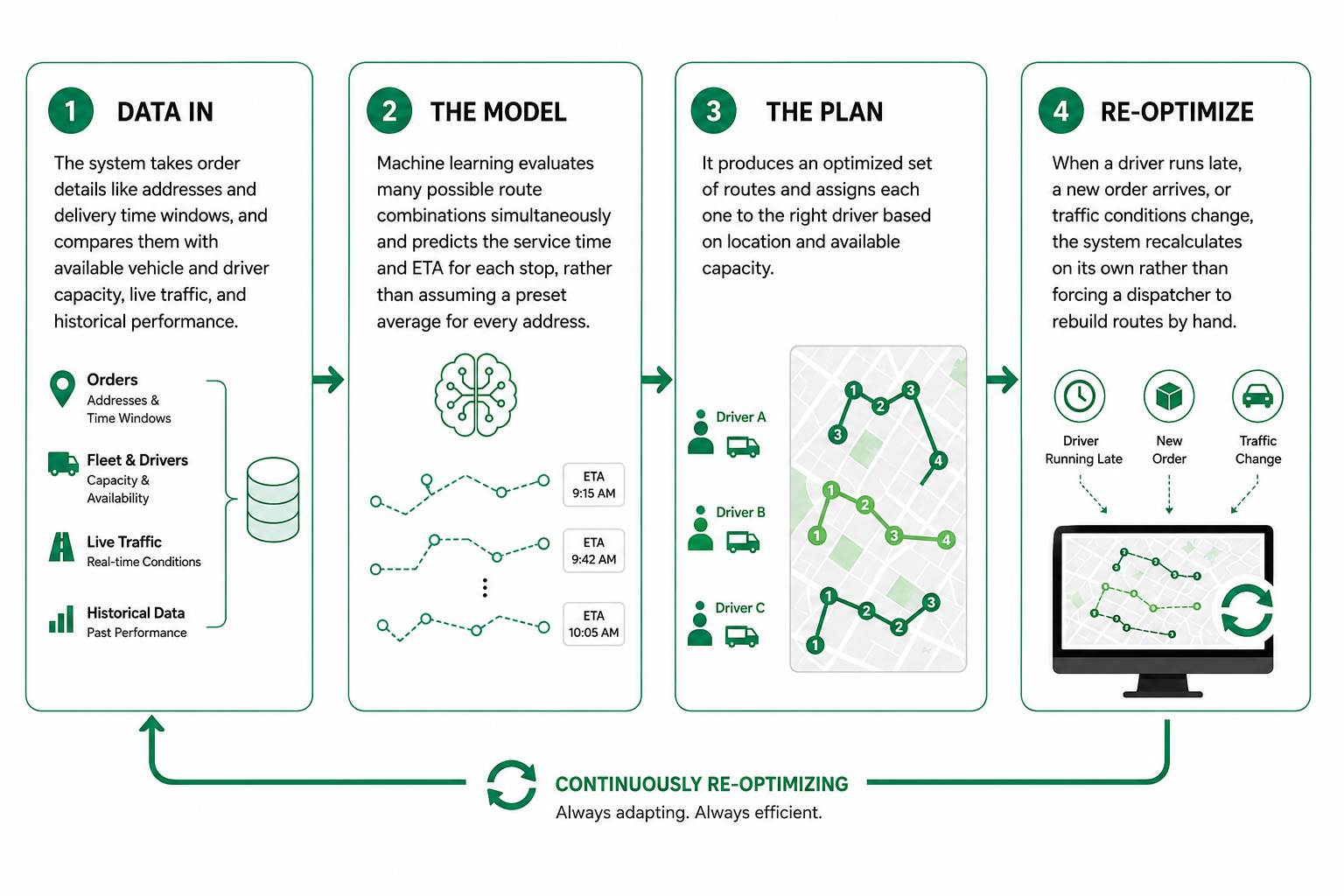
Re-optimization is where the AI saves you time and money. On a Friday dinner rush, orders do not arrive in a neat batch, and drivers do not move at predictable speeds, so a static plan made at 5 p.m. is wrong by 5:30. A system that recalculates as each new order lands keeps every driver on the most efficient path without a dispatcher touching it. A map app gives one path for one vehicle; AI optimization weighs thousands of route combinations across a fleet and adapts as the day unfolds.
Why it matters: the payoff for your business
The benefits appear in measurable areas: fuel costs, dispatcher workload, delivery speed, and on-time performance. For example, DHL's Greenplan dynamic routing algorithm has been credited with cutting last-mile costs by about 20%, and Tesco's AI routing system, built with Satalia, saved 11.2 million miles in 2019 while trimming fuel use 8% per order. The same logic works for a local fleet.
- Lower delivery costs. Fewer miles and less idle time mean less fuel and more stops per shift. After adopting Shipday in 2020, KFC Barbados cut delivery support costs by 50% with auto-dispatch and real-time tracking, saving up to $1,200 a day across six locations.
- Faster deliveries. Shipday's route planning helps operations deliver up to 30% faster, and customers who get their food hot come back.
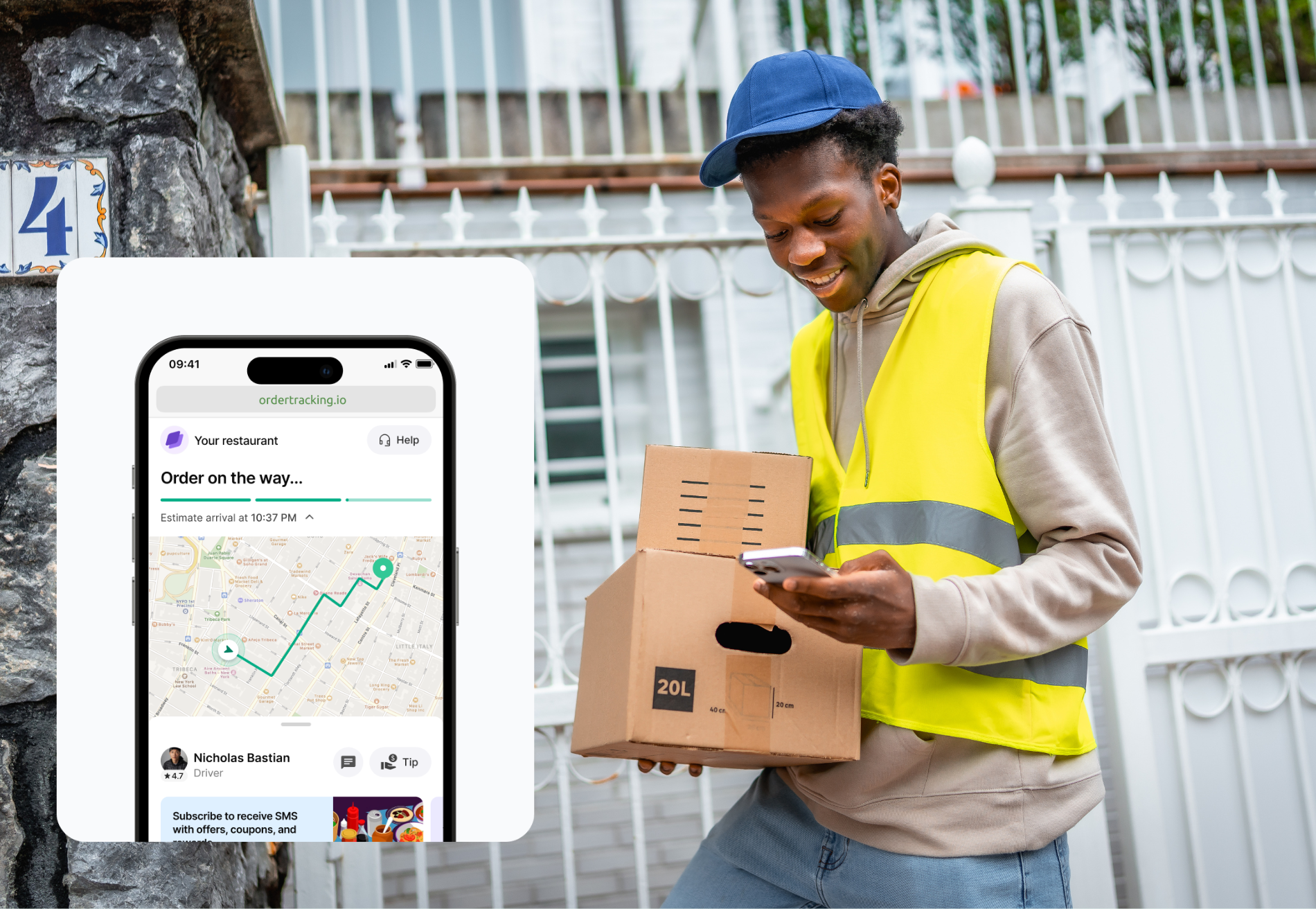
- Happier customers. Accurate ETAs and live tracking cut the where-is-my-order calls and reduce failed deliveries, which run about 5% of first attempts at roughly $17.78 each to redo.
- Higher capacity without higher headcount. When dispatchers stop hand-building routes, they handle more volume with the same team.
- The model improves with every delivery. As more delivery data accumulates, ETA predictions and route recommendations typically become more accurate.
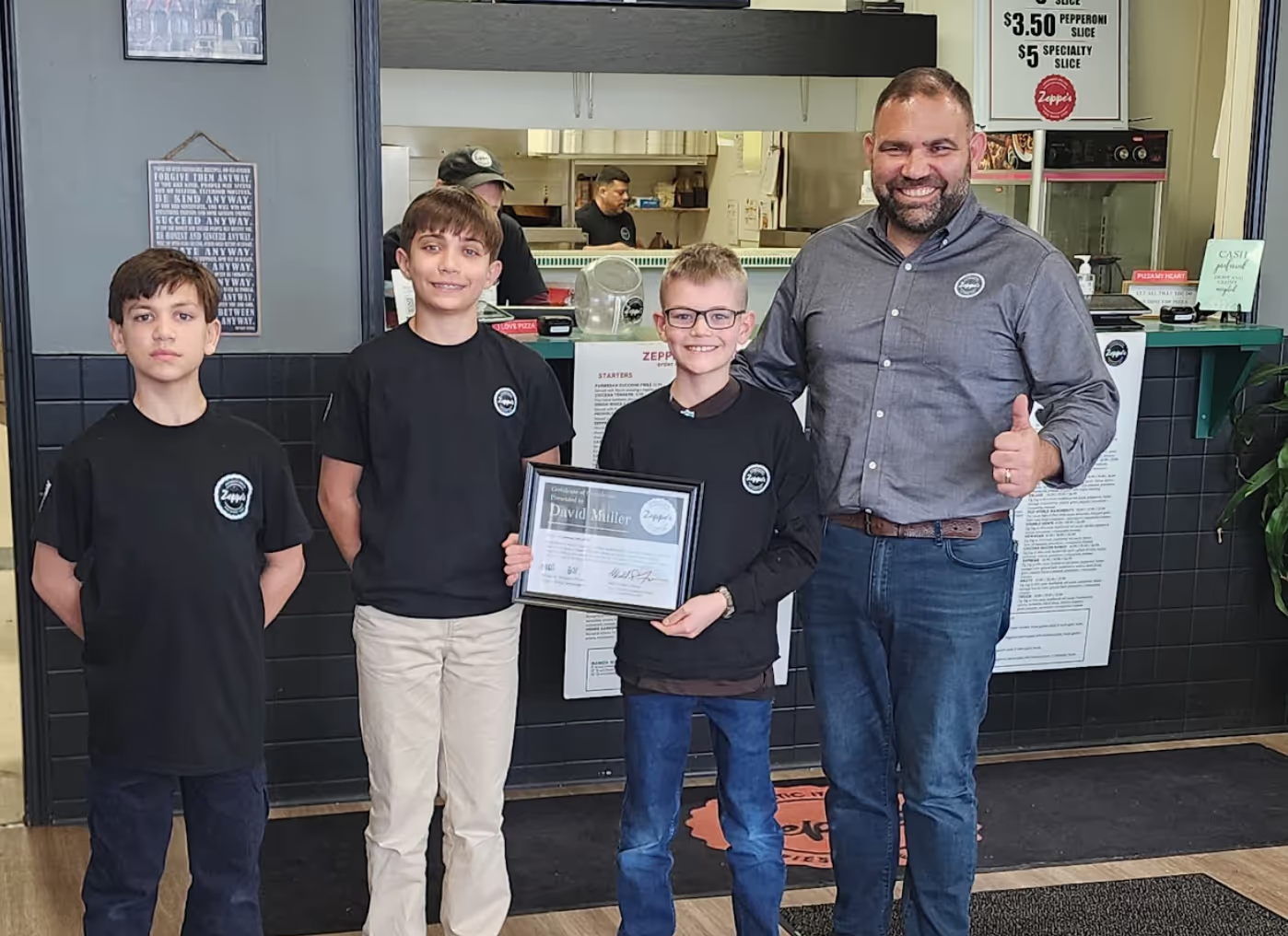
These gains are not limited to big chains. Mr. G's Pizza, a small, family-run shop, modernized its delivery operations on Shipday with real-time tracking and automated dispatch.
Routing tool vs full delivery management platform
A routing tool and a delivery management platform are two different purchases, a distinction worth getting right before you spend.
A routing tool calculates efficient routes and nothing else. You still need separate systems for dispatch, the driver app, customer notifications, and proof of delivery, and each is another login, another integration, and another place for information to fall through the cracks.
A delivery management platform runs the full lifecycle in one place. Routing sits alongside dispatch, live tracking, customer communication, and proof of delivery, so the route a driver gets and the ETA a customer sees come from the same system, and so does the photo captured at the door.
For most small and mid-sized operations, the platform is the better buy. Stitching different tools together recreates the gaps AI was supposed to remove, dumping the integration work on a team with no spare hours for it. A standalone engine or an API still makes sense for one buyer, usually an engineering team building delivery into its own product, not a restaurant or courier that needs deliveries to run today. If you want one system for the whole journey from order to doorstep, you want a platform, the category Shipday competes in.
The best AI route optimization in delivery management software (2026)
The right answer depends on the size and complexity of your operation, so the table below maps the leading platforms to the business each serves best, followed by a short, honest profile of each.
How we evaluated these tools
We compared these platforms the way an operator would shop for one, drawing on each vendor's documentation and pricing pages alongside verified user reviews on G2 and Capterra. Five things mattered most:
- Business fit. Whether a tool targets small local operations or large enterprise fleets, since the right pick changes with scale.
- Pricing and value. Per-driver versus flat or volume-based pricing, plus whether a free or low-cost entry point exists. Reviews show where the cost climbs fastest.
- Routing depth. How well the engine handles dynamic, real-time re-optimization rather than a plan built once each morning.
- Platform completeness. Whether routing arrives inside a full system that also runs dispatch and customer tracking, or has to be stitched to other tools.
- What users report. How verified reviewers describe everyday reliability and the speed of support when something breaks.
Shipday: best for SMB and local delivery
Shipday is the strongest fit for small and mid-sized operations that want AI dispatch and route optimization without paying per driver. Built for restaurants, pizzerias, couriers, grocery, retail, and ecommerce businesses running their own drivers, third-party drivers, or a mix, it combines auto-dispatch, route optimization, live tracking, and proof of delivery in one platform rather than a standalone routing tool.
Route optimization and standard auto-dispatch are included on the $39 Professional plan, and Shipday's AI Agents, which automate dispatch and review tasks, start on Branded Elite at $99 a month. Pricing is one of Shipday's strongest advantages for smaller operators. Shipday starts with paid plans from $39 with no per-driver fees, which enterprise and per-driver platforms cannot match for a small operation. The results back it up, with customers like Steak Out growing delivery business by 50% on the platform. Shipday is built for SMB and scaling businesses rather than heavy enterprise routing, so very large or highly specialized fleets that need granular optimization control may need a different tool.
Onfleet: best for complex, high-volume operations
Onfleet fits established, higher-volume operations that run a mix of in-house and third-party fleets. It is a full last-mile platform built around route optimization and continuous re-optimization. One delivery manager reported it scaled through three years of growth while still cutting her team's labor across states.
Pricing starts around $599 a month (Launch, 2,500 tasks), driven by volume rather than driver count, with no free plan and SMS billed separately, which places it past the SMB line. Reviewers call the price steep and note slowdowns under heavy filtering and limits on bulk-optimizing tasks inside tight windows.
OptimoRoute: best for blended delivery and field service
OptimoRoute fits teams that combine delivery with field-service scheduling and need granular control over routing. Its optimization handles vehicle capacity and tight delivery windows, with proof of delivery and analytics on the Pro plan.
Owners praise the value, one calling it the best routing she had found, though reviewers say the parameters carry a learning curve and support can take days to reach. Pricing is per driver, $39 on Lite and $49 on Pro, so a ten-driver team runs about $441 monthly. That per-driver cost and limited mobile route editing push growing teams to compare alternatives, especially after a recent price climb.
NextBillion.ai: best for teams building their own routing
NextBillion.ai fits engineering teams that want to embed route optimization in their own systems. It is an API-first engine with a multi-vehicle solver and a Distance Matrix API, handling up to 10,000 stops per problem. Developers on Capterra praise the integration speed, with one going live quickly on a free tier of 100,000 API calls a month, and several switched from Google Maps after finding it more expensive and less flexible.
Pricing is custom and usage-based. It ships no dispatcher dashboard or proof of delivery, so you build that layer yourself, which fits teams with developers more than an operator who needs working delivery software today.
Descartes: best for large enterprise fleets
Descartes fits large enterprise fleets that need deep route planning and telematics. Its Route Planning, Optimization and Dispatch product handles complex, dynamic routing with predictive ETAs and background optimization, and sits inside a broader logistics suite spanning transportation management and telematics. Capterra reviewers say it handles last-minute route changes well, with ETA updates and customer notifications that cut "where is my delivery" calls. They also flag a lengthy setup and a routing request that demands repetitive data entry.
Descartes does not publish pricing and sells through a demo and consultation process, which signals an enterprise sales motion rather than self-serve sign-up. Named customers such as John Lewis and Heartland Coca-Cola point to the scale it is built for, which also makes it more than a small or mid-sized local business needs.
How to choose the right one for your business
Answering a few questions about your operation will point you to the best tool type for your delivery model:
- What does your fleet look like? Mixed in-house and third-party fleets need a platform that handles both with equal visibility, not a tool built for one and bolted onto the other.
- How complex are your constraints? Time windows, cold chain, sequencing, vehicle limits. The more you carry, the more you need true optimization rather than basic stop ordering.
- How often do routes change mid-day? If rarely, a planning tool is fine. If constantly, you need real-time re-optimization, not a plan made once each morning.
- Does it connect to your order flow? Check that it integrates with your POS or ecommerce stack, whether that is Shopify, Square, Toast, WooCommerce, or Wix.
- How does it charge? Flat or per-order pricing versus per-driver fees. For a small fleet, this is often the deciding factor, because per-driver costs climb every time you add a vehicle.
- Will it still fit at double your volume? The tool that works at 50 orders a day should not need replacing at 100.
For most SMB and local operations, the answers point the same way: a mix of in-house and third-party drivers, real-time changes during the rush, a POS integration, and a budget that cannot absorb per-driver fees. That combination makes a platform like Shipday a sensible default, and its free Starter plan is a no-risk way to test the fit.
How to measure the ROI
Set a baseline first. Capture these for a typical week: miles per stop, total fuel spend, dispatcher hours spent planning, on-time rate, and orders completed per driver per shift.
Then track the same numbers after rollout. The gains arrive in a predictable order. Many operators first notice reductions in mileage and fuel use, as the optimized routes are tighter. Planning time tends to falls next, as the system takes route building off the dispatcher's plate. On-time rate typically climbs last, once the model has enough history to predict service times accurately.
ROI shows up when AI is part of daily execution, not an occasional planning aid. A tool you open once a week will not move these numbers much; a system that dispatches, re-optimizes, and learns from every delivery will. Measure for a full month, since the learning effect needs real volume to show.
How to get started
Getting started with AI route optimizations does not require a big rollout. Four steps keep it low-risk:
- Assess your current routing. Find where the delays, wasted miles, and angry-customer calls come from. That tells you what to fix first.
- Pick a tool that fits the checklist above and connects to your order flow. The best tool you cannot integrate is worse than a good one that plugs into your POS today.
- Pilot small. Run one zone or one shift on the new system and compare it against your baseline. Ask the drivers and dispatchers who use it, since they spot problems a demo never shows.
- Roll out and refine. Once the numbers hold, expand to the rest of your operation and let the model keep learning.
A free trial or free plan can reduce implementation risk during the pilot phase. Whis is one reason to start on Shipday's free Starter plan: you can test a full zone against your baseline without spending anything.
Frequently Asked Questions (FAQs)
What is the best AI-powered route optimization in delivery management software?
It depends on the size and complexity of your operation. Shipday suits small and mid-sized local delivery, Onfleet and Descartes suit large, complex fleets, and NextBillion.ai suits engineering teams building their own routing through an API.
What is the difference between route optimization and a delivery management platform?
Route optimization calculates the most efficient sequence of stops. A platform does that and also handles dispatch, live tracking, notifications, and proof of delivery in one system. Most small and mid-sized businesses need the full platform, not just a standalone routing engine.
How does AI improve route optimization?
AI learns from past deliveries to predict service times and ETAs more accurately than fixed averages. It evaluates thousands of route combinations across a fleet at once, then re-optimizes in real time as conditions change through the day.
Is AI route optimization worth it for a small business?
For most small businesses, yes, especially when a tool offers a free or low-cost entry point. Even small fleets cut fuel and dispatcher time quickly. Shipday has a free Starter plan and paid plans from $39 a month, so you can prove the savings before committing.
Does AI route optimization work with third-party drivers?
Yes, when the platform is built for mixed fleets. Tools designed for in-house and third-party drivers assign and optimize across both in a single view, which standalone routing engines and pure routing APIs usually cannot do.
Bottom Line
The best AI route optimization is the one that fits how your business actually delivers. For a large enterprise fleet, that means deep planning and telematics; for an engineering team, an API; for most local and SMB operations, a full platform with AI dispatch and routing built in. That is the case for Shipday. The last mile will stay the most expensive part of your operation, and the route is the part you control. Shipday's free Starter plan lets you run real deliveries and see the difference before you pay.



.avif)
Índice
Artículos relacionados
¿Listo para empezar?
Juega primero con él, agrega tu equipo y paga después.


%201.svg)

.svg)