


How Pizza My Heart Manages Delivery Across 30 Locations with Shipday
2-3x
~95%
30 hours
Pizza My Heart
San Francisco Bay Area, Monterey Bay
1981
2023
30 Locations
About
About
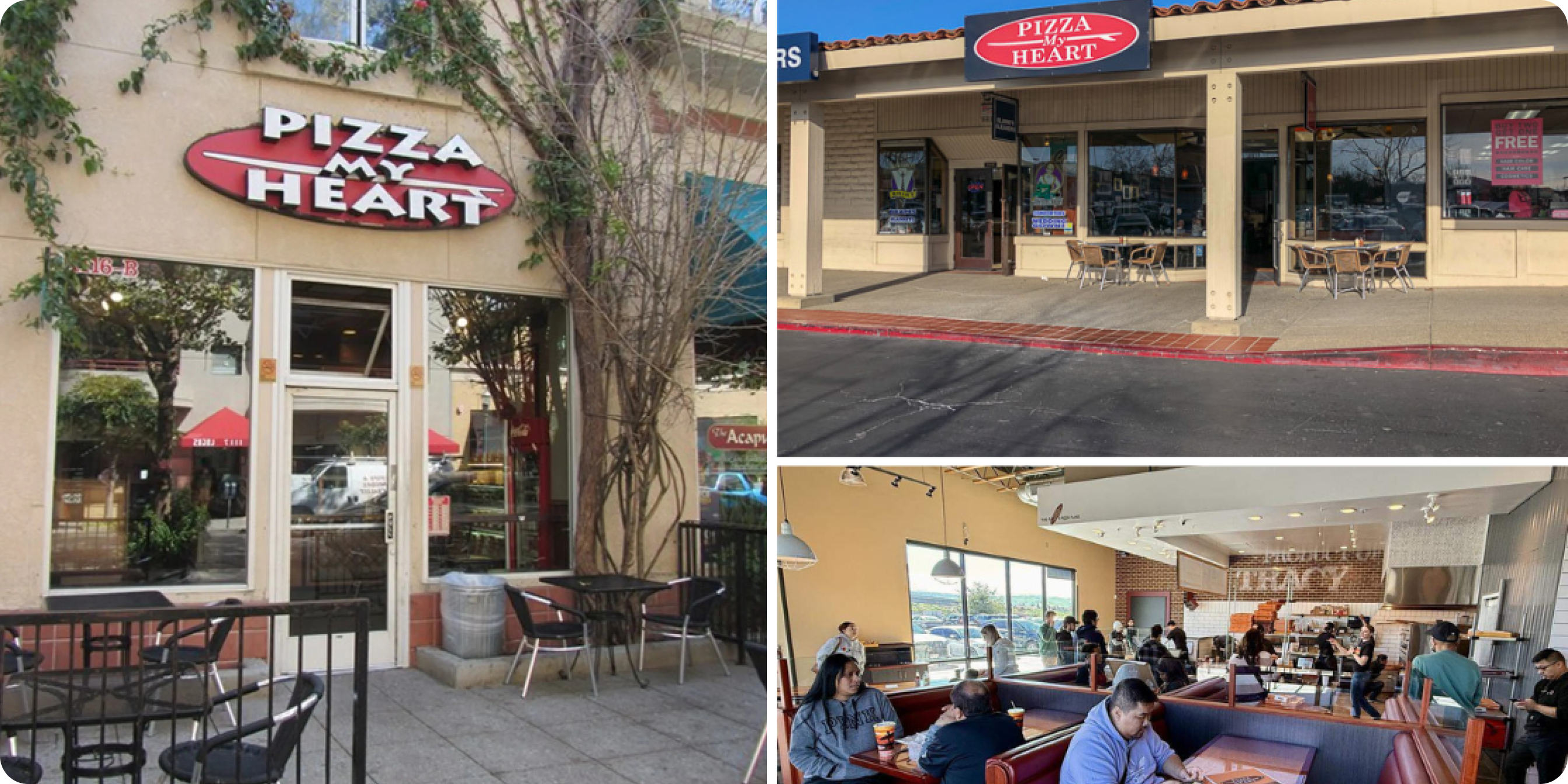
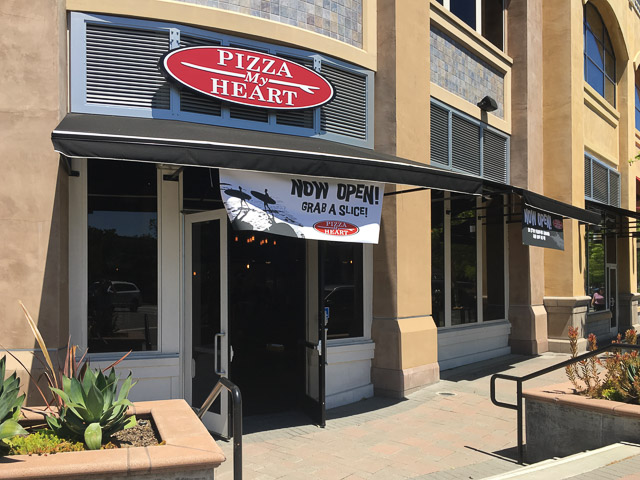
Pizza My Heart started in 1981 in Capitola, California, and grew into a 30-location chain across the Bay Area, the Monterey Bay, and the Central Valley. It is the pizza a lot of Silicon Valley grew up on, and it has the kind of cult following that turns first jobs into careers.
Spencer Glenn is one of those stories. He started with the company 23 years ago as a delivery driver looking for some extra spending cash. He fell in love with the people and the pizza, worked his way through every role in the restaurant, and today runs the digital platform, food and beverage management, and a chunk of the corporate operations direction for the brand. Titles are loose at Pizza My Heart. The job is whatever the company needs.
Delivery has always been a large part of the business. The company started supplementing its in-house drivers with DoorDash Drive around 2018 as a beta partner. When COVID hit, Pizza My Heart slimmed down its driver workforce and moved almost fully to third-party delivery. The model worked, but it brought a new set of problems that took years to solve.
About
About
Challenges before Shipday
Fully outsourcing delivery to third-party contractors solved some problems and created others. The biggest ones showed up exactly when the restaurant could least afford them: during the Friday night dinner rush.
Long hold times on third-party support
When something went wrong with a delivery, a missing item, a confused dasher, a last-minute address change, the shift supervisor had to call DoorDash support to fix it. That meant 5 to 20 minutes on hold, then re-explaining the issue, then waiting for resolution. Spencer's stores run lean by design. California wages do not allow for spare bodies standing around. Twenty minutes off the floor during the dinner rush is a real operational hit.
"The problems never happen when it's slow. They always happen when it's busy."
Refund friction
Getting refunds from third-party platforms was a process. Shift supervisors who had just finished a rough night, often the same night that triggered the refund request, had to find the time and energy to push it through. Refunds got skipped. The store ate the cost.
No visibility into what customers actually thought
Once a dasher took the pizza out the door, the restaurant lost the thread. The crew did their part. Something went sideways en route. The customer got frustrated. The restaurant never heard about it, and lost the customer quietly.
Large orders routed like small ones
Pizza My Heart's POS injected every delivery into the standard small-order channel. That meant an 18-pizza catering order sometimes got assigned to a regular dasher in a regular car. The dasher was not prepared for the volume, was not compensated for it, and the handoff went badly. Spencer flagged it and started thinking about a better solution.
About
About
Shipday became the layer between Pizza My Heart and its third-party drivers, taking on the dispatch and support burden that used to land on shift supervisors during the rush.
Support that picks up in 90 seconds
When something goes wrong on a delivery, the manager messages Shipday's support team. Shipday handles the dasher conversation, the address change, the missing item, the refund request. What used to be a 5 to 20 minute phone call is now a 90-second text exchange. For a high-volume store like Santa Cruz, that adds up to 30 to 90 minutes a week reclaimed during peak service.
Review collection that turned into customer recovery
Shipday's review request feature attaches to both delivery and takeout orders, asking customers to rate the experience and prompting happy ones toward a Google review. Within the first weeks of turning it on, Pizza My Heart saw weekly Google reviews jump to 2 to 3 times the previous rate, with a heavy skew toward five stars. The unhappy customers who would have stayed quiet, or worse, gone straight to a public review, now had a private channel to vent. Managers reviewed the inbound feedback and reached out to make it right.
Large-order routing on day one
Shipday let Pizza My Heart set an order-size threshold that automatically routes catering orders to large-order fulfillment with vetted drivers and appropriate compensation. The feature DoorDash never built, Shipday set up immediately.
Bird's eye view across 30 locations
Spencer can see message traffic, reviews, and delivery patterns across every store. The visibility surfaced a problem nobody had reported: a California law requiring customers to opt in to utensils and condiments meant the kitchen was systematically missing requested items. After identifying it through Shipday's review feed, Pizza My Heart put new systems in place. Complaints dropped to roughly 5% of their original volume.
AI phone call for failed deliveries
When Spencer asked Shipday for a way to get notified the moment a delivery failed, Shipday built an AI agent that calls the store directly. The store starts a remake immediately instead of finding out 30 minutes later when the customer calls in. By the time the customer would have called, the replacement order was already on its way.
"Shipday helped our teams be able to efficiently manage third-party delivery drivers in a way that was just unfeasible before. And it really allowed us to see how our customers felt about the service, the quality of the food, and the experience of the delivery in a way that we didn't have that insight before."
Cómo Shipday convirtió las dificultades en oportunidades de crecimiento
Desafíos antes del día del envío
Con Shipday
Beneficios y primeros resultados tras la implementación de Shipday
The first surprise after onboarding was how much Spencer could now see. With a bird's eye view across 30 locations, the volume of small delivery issues looked alarming at first.
"I was amazed at the amount of things that go wrong. I couldn't have a bird's eye view of what was going on brand-wide in terms of problems with deliveries. It actually made me nervous. I went to talk to them about it and they were like, no, these are the problems that arise on a daily basis."
The issues were not new. The visibility was. And with the visibility came the ability to fix things at the system level instead of one store at a time.
The utensils complaint pattern was the clearest example. Within a few weeks of going live with Shipday, Pizza My Heart had identified it as the top customer complaint, put a process in place, and cut it down to about 5% of what it had been. None of that was possible when complaints went to a third-party platform the brand never saw.
Crew morale shifted too. The shift supervisors stopped losing 20 minutes a night to hold music. Managers got a second chance to fix customer experiences they previously had no idea were going wrong.
"Anytime you can release that steam valve on somebody that's frustrated before they want to go public with it is phenomenal. We pride ourselves on great customer service. The team is happy to be there, they love giving good service, and so it's easy for them to really tamp that stuff down."
The review numbers tell the same story. Reviews ran 2 to 3 times their prior weekly rate for the first three months after launch. They have settled lower since, partly because repeat customers do not leave repeat reviews, which Spencer takes as a good sign about the underlying customer base.
The feature-request relationship has been the other standout. Spencer has put in around half a dozen requests during the partnership. Most have shipped, usually inside a month. That includes the AI failed-delivery call and the large-order threshold routing, both features Spencer had asked DoorDash for previously and never received.
"Shipday is a standout in terms of the vendors I've worked with on the tech side of taking feedback. The vast majority of feature requests, they've built out and implemented in a crazy fast time. Usually under a month."
Reflections on the partnership
Pizza My Heart's delivery operation runs across 30 stores, multiple counties, and one of the highest-cost labor markets in the country. The model Spencer and the team built, fully outsourced drivers managed through Shipday, works because Shipday absorbs the operational friction that used to sit on shift supervisors. The crew runs the restaurant. Shipday runs the dispatch.
Through the partnership, Pizza My Heart turned third-party delivery from a daily struggle into a system the brand can actually see, measure, and improve.
Casos prácticos recomendados



¿Listo para empezar?
Juega primero con él, agrega tu equipo y paga después.


%201.svg)
